“Who am I?” — a simple question that Ukrainian children today are often forced to answer either in bomb shelters or in unfamiliar classrooms abroad. In times of chaos and war, national identity becomes more than a term from a textbook. It becomes an inner compass, a shelter for values, and a source of pride.
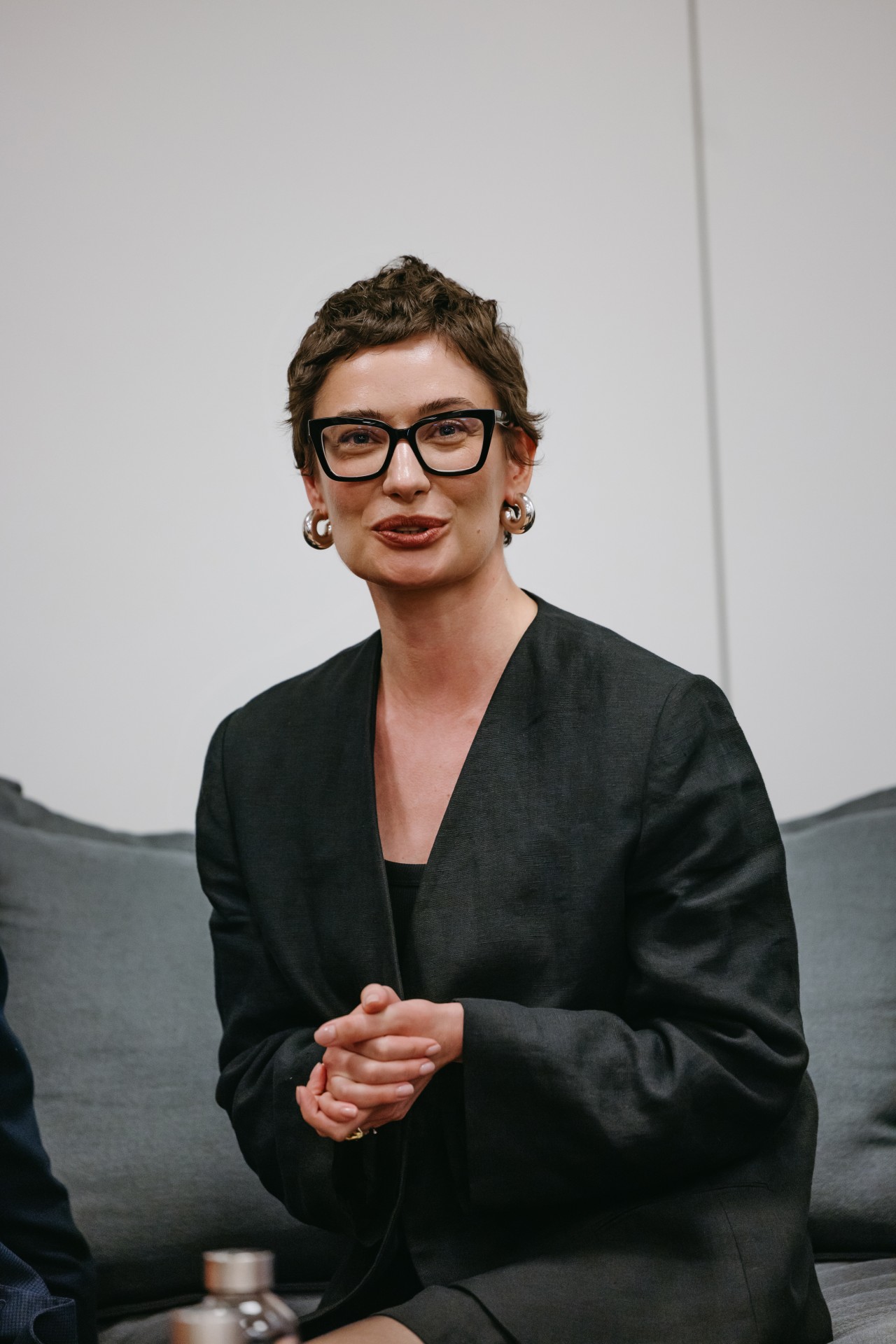
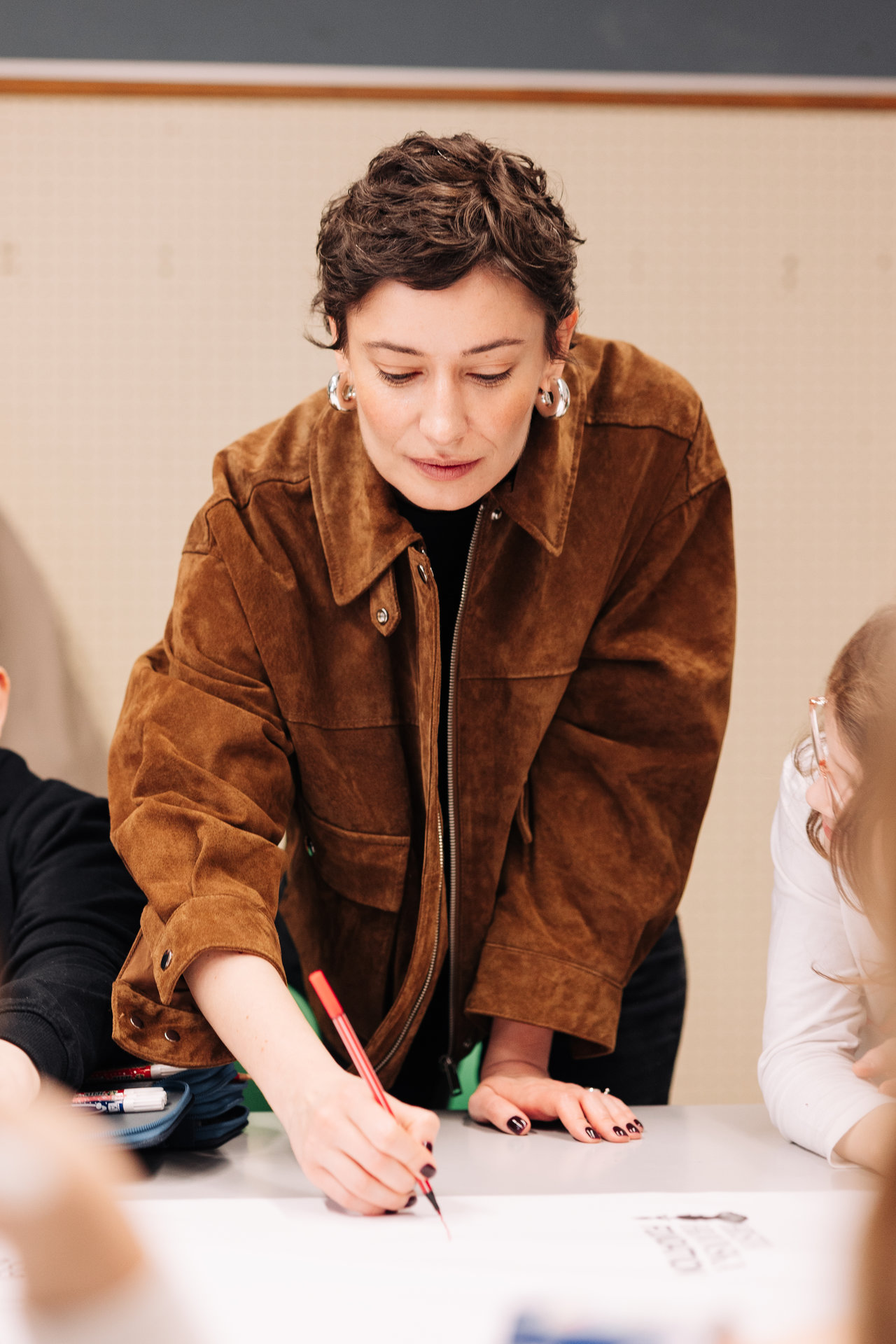
The Freedom Diaries team spoke with Nataliia Kryvda — Doctor of Philosophy, Professor at Taras Shevchenko National University of Kyiv, and Chair of the Supervisory Board of the Ukrainian Cultural Foundation. Together, we explored how Ukrainian identity is formed in children, why culture can become a bridge back home, and how to nurture inner freedom in teenagers when their physical world is shaped by air raid sirens or forced relocation.
IDENTITY IS NOT ONLY ABOUT ORIGINS — IT IS ABOUT SHARED VALUES
— Nataliia, many people think identity is something abstract and theoretical. But looking at what children write and draw in Freedom Diaries, it feels like a very alive and intuitive answer to the question: “Who am I and where are my roots?” Why is holding onto these things so important now?
— When we speak about identity, we should understand one key idea: Ukrainian national identity is the identity of a political nation. It is formed at the intersection of two important dimensions.
On one hand, ethnic foundations matter: culture, language, and traditions of Ukrainians, Crimean Tatars, Jewish communities, Gagauz people, and many others who have lived on the territory of Ukraine for centuries.
On the other hand — and this is equally important — civic identity is built through shared values: freedom, dignity, solidarity, equality, the rule of law, and justice. These fundamental principles create the philosophical framework of being a citizen — both inside the country and beyond its borders.
Does this sound too complex for a child or teenager? Not at all.
Children often grasp identity more sharply than adults — through relationships, observation, and intuition. They deeply need an answer to the question: “Who am I?” That answer becomes their internal compass.
“Today, identity may be one of the defining forms of political belonging in times of war. If this is an existential struggle between tyranny and democracy, authoritarianism and free choice, then identity becomes a refuge for the values of dignity and freedom.”
This perspective matters in conversations with children.
And one of the simplest ways to begin is through understanding our own history — not only through stories of loss and tragedy, but also through achievements, victories, and Ukraine’s place within the European cultural space.
Every young person should know: we have something to be proud of.
EDUCATION AND A ONE VOICE POLICY: HOW TO HELP YOUNG PEOPLE NOT DISSOLVE ABROAD
— We see children in Saturday and Sunday schools abroad reconnecting with home through creative practices. Can culture and informal education become the bridge that helps preserve their Ukrainian sense of self?
— School and education, in general, are among the strongest forces in shaping and sustaining national identity.
Researchers who study successful identity-building strategies repeatedly emphasize that strong, forward-looking national education remains one of the most effective tools.
I would speak about the importance of building a One Voice Policy in education — from preschool to university, including non-formal educational spaces.
Sunday schools, clubs, lectures, and community spaces abroad become places where children begin to experience belonging naturally — through participation rather than pressure.
We should also remain realistic.
As difficult as it may be to admit, not every child will return to Ukraine or remain within Ukrainian citizenship. But even abroad, children can remain carriers and ambassadors of their culture.
In academic discourse, there is a concept known as cut and mixed identity.
The world is moving toward more plural and layered forms of belonging.
Living across countries and cultures should not erase Ukrainianness — on the contrary, it can strengthen a person, making them more adaptable and more capable of navigating a global world.
INNER FREEDOM AS A SKILL FOR THE FUTURE
— In Freedom Diaries, we talk with children about freedom not only as borders on a map, but also as freedom to think, feel, and dream. Why is it so important to cultivate inner freedom now, when children’s physical reality is constrained by war?
— Freedom appears across the entire system of European values and is one of the deepest archetypes of Ukrainian culture.
Our language itself reflects this richness by distinguishing different dimensions of freedom.
Why is it important for children to understand both the possibility and the limits of freedom?
Because modern life requires us to coexist in different contexts.
Freedom is not limitless permission.
It is also the ability to respect the boundaries of others, to accept difference, to live together, and to protect your own space.
Today, during war, children often clearly understand who is “their own” and who is “the other.”
But after our inevitable victory, we will face a serious challenge.
Either we allow different wartime experiences to divide Ukrainian society — those who stayed, those who left, those who fought — or we learn to hold those experiences together.
Inner freedom and the ability to think beyond rigid categories are exactly the skills that will help children build unity instead of division.
CULTURE CANNOT BE NEUTRAL
Identity is not static — it is dynamic.
It cannot simply be preserved unchanged.
It must be continuously discussed, reflected on, and integrated into contemporary artistic and educational practices.
Creativity during wartime carries responsibility.
Art should never become propaganda.
But it also cannot pretend to be neutral.
The dangerous idea that “art exists outside politics” risks normalizing violence.
Attempts to create false moral symmetry between aggressor and victim are unacceptable.
This is why projects like Freedom Diaries matter today.
They help children safely unpack difficult ideas, reconnect with their culture through creativity, and build an inner foundation that no one can take away.
Prepared by the Freedom Diaries communications team
Photo: Nataliia Kryvda press office
The Freedom Diaries team continues introducing the project to the European educational community. After London, Vienna, Bologna and Cambridge, the next stop on the map became Varna, Bulgaria.
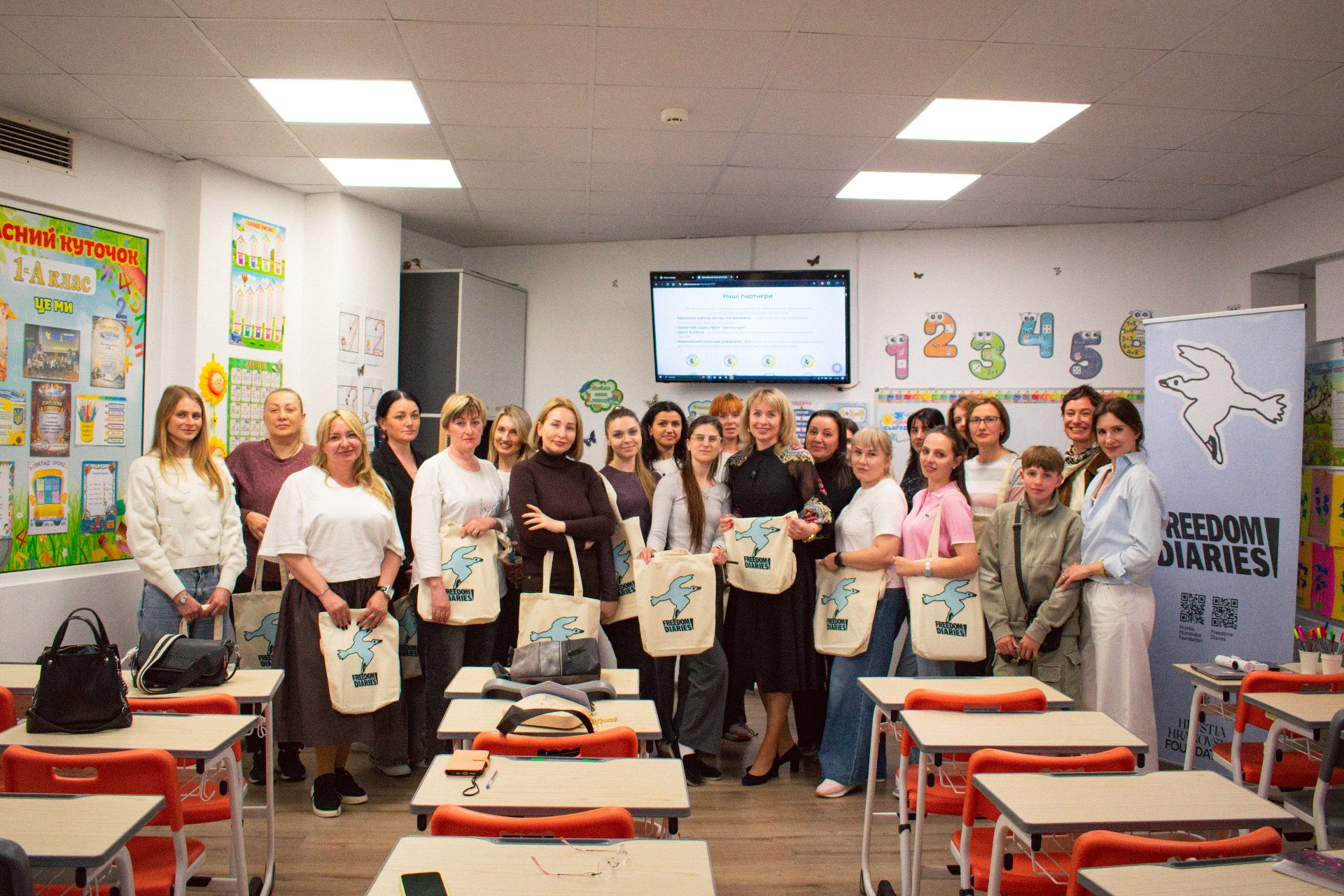
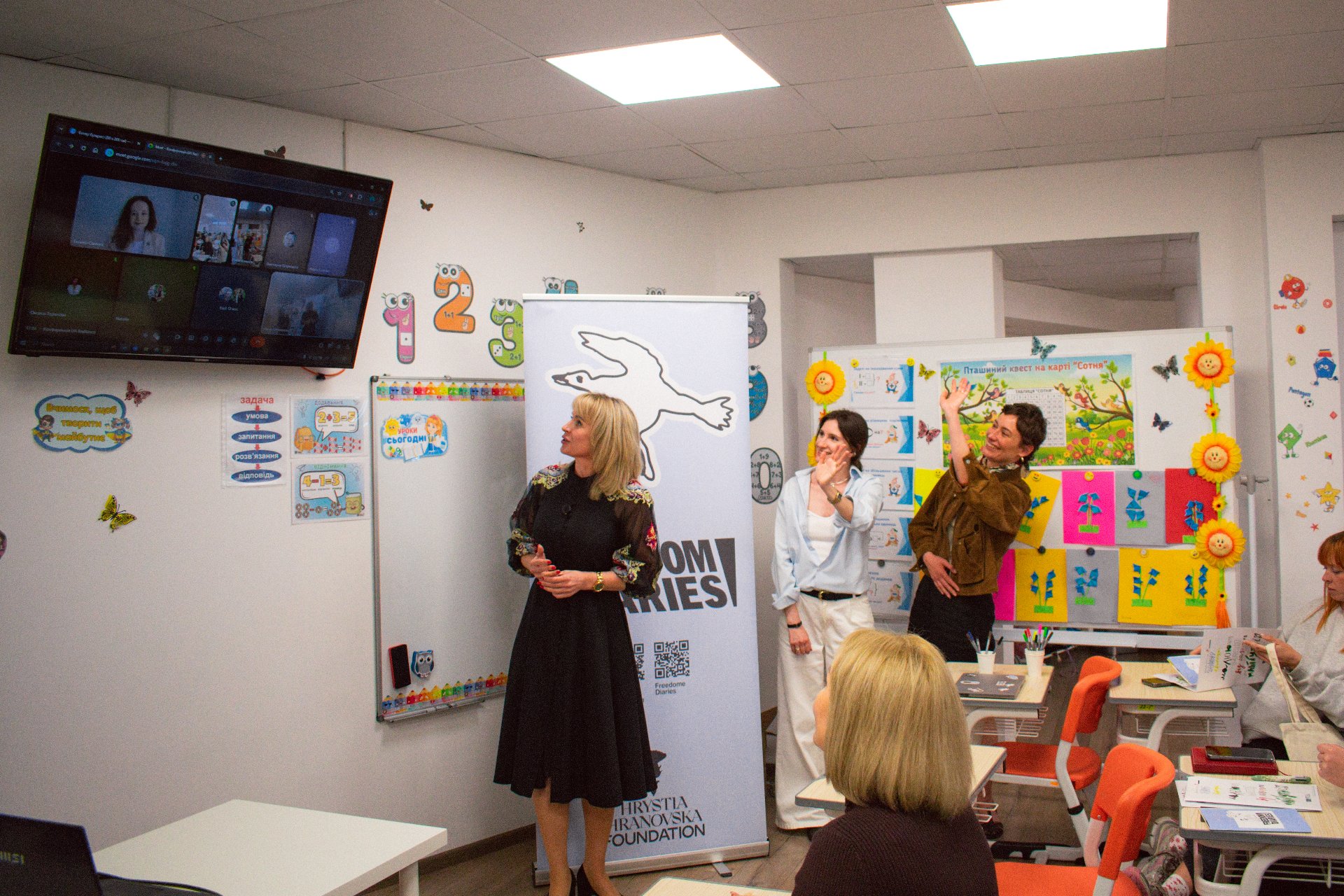
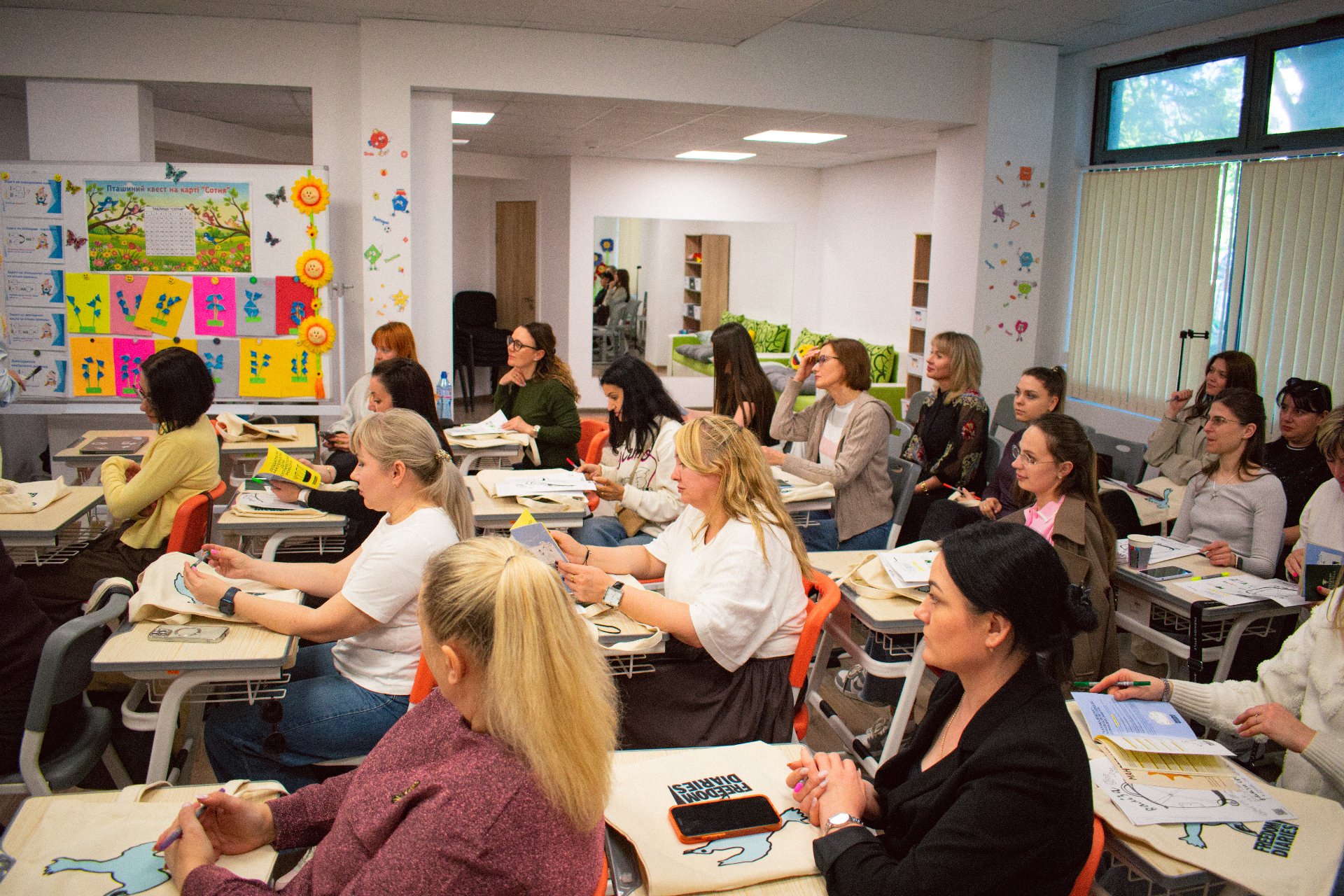
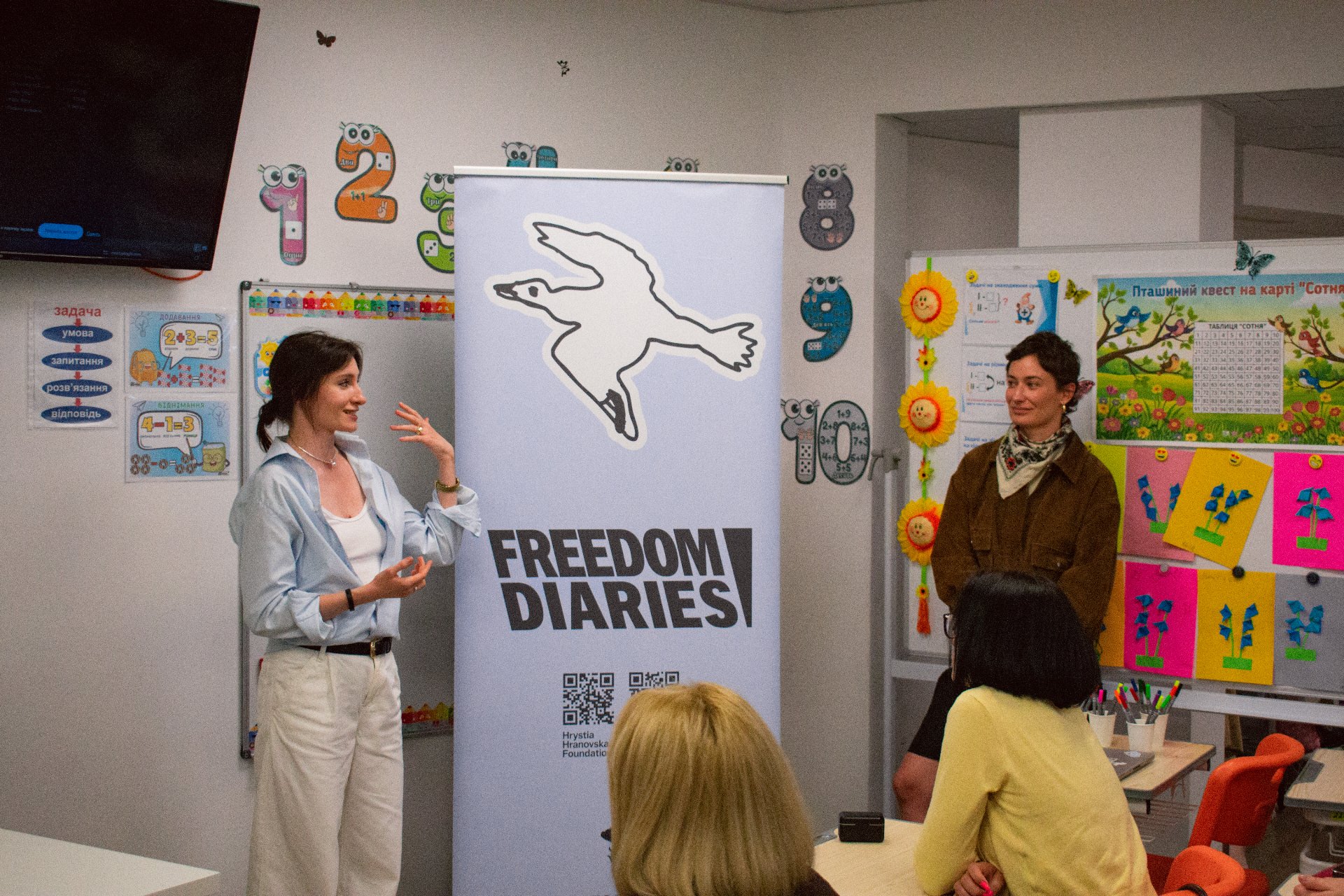
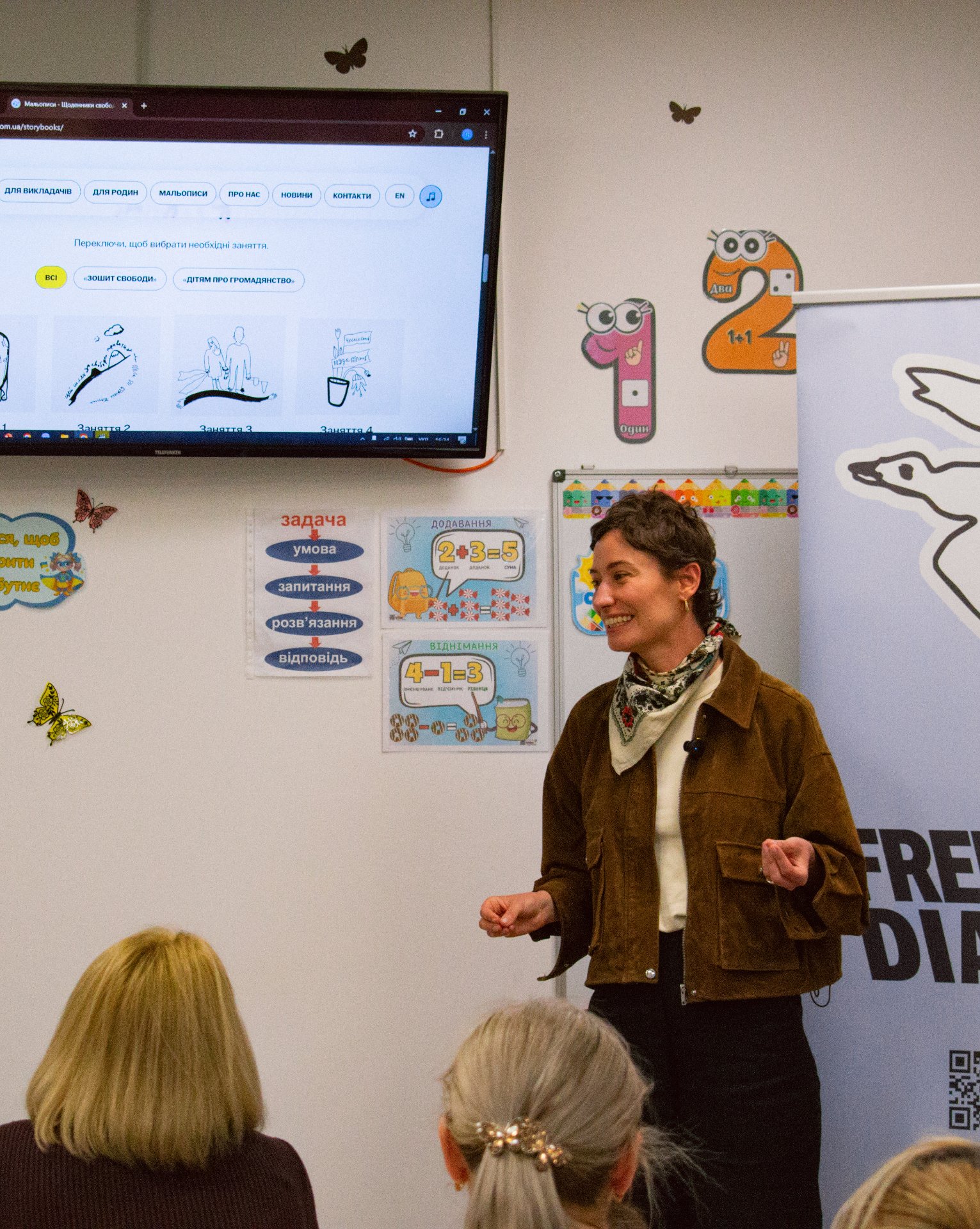
Over the course of two days, the team worked together with Ukrainian educators and children at UA Radiance Varna. More than 20 teachers joined the meetings offline, while around 50 educators connected online from different cities across Bulgaria and Romania.
Among the participants were representatives of Ukrainian schools and educational spaces from Varna, Bucharest, Cluj-Napoca, Constanța and Sofia.
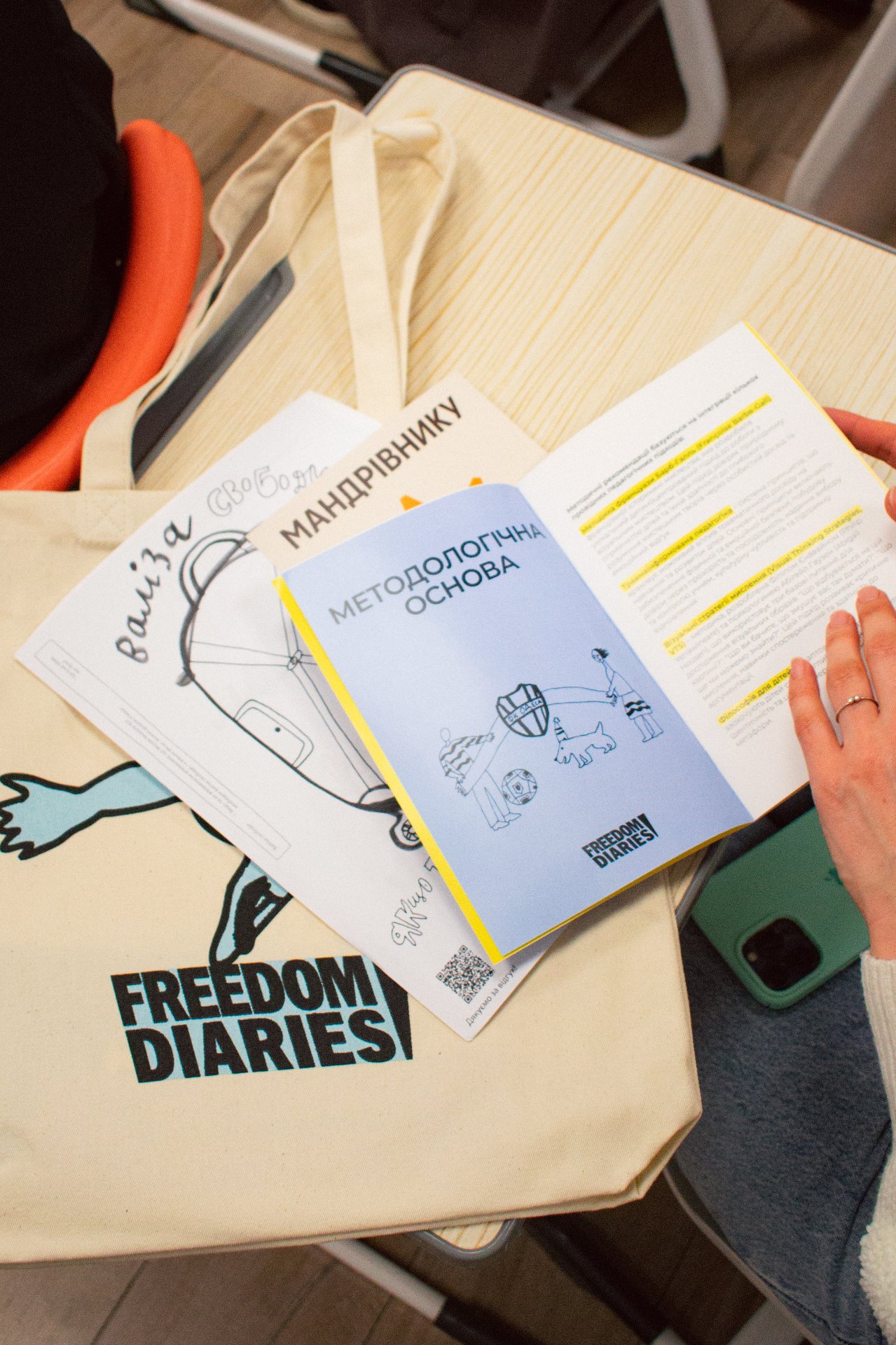
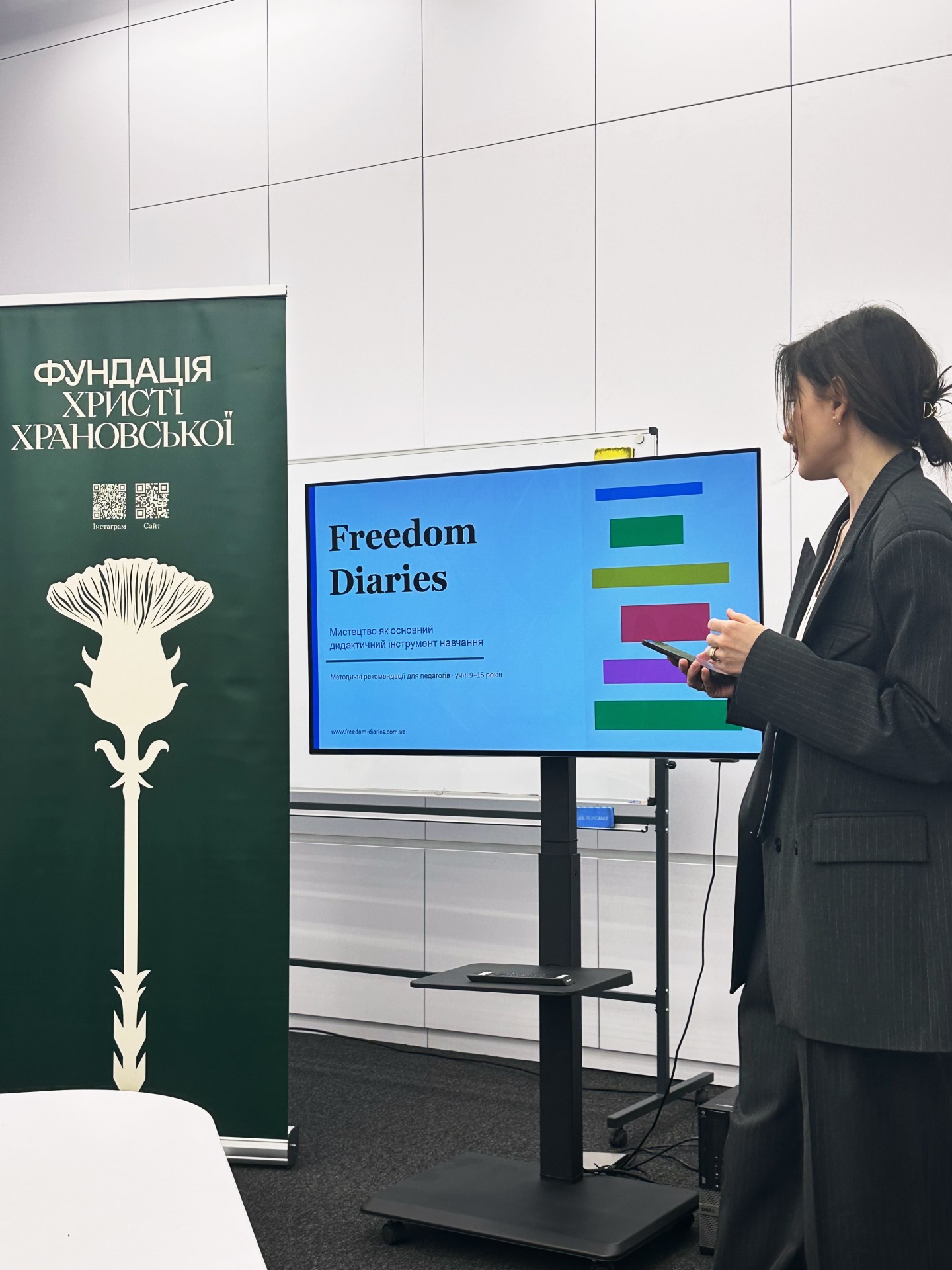
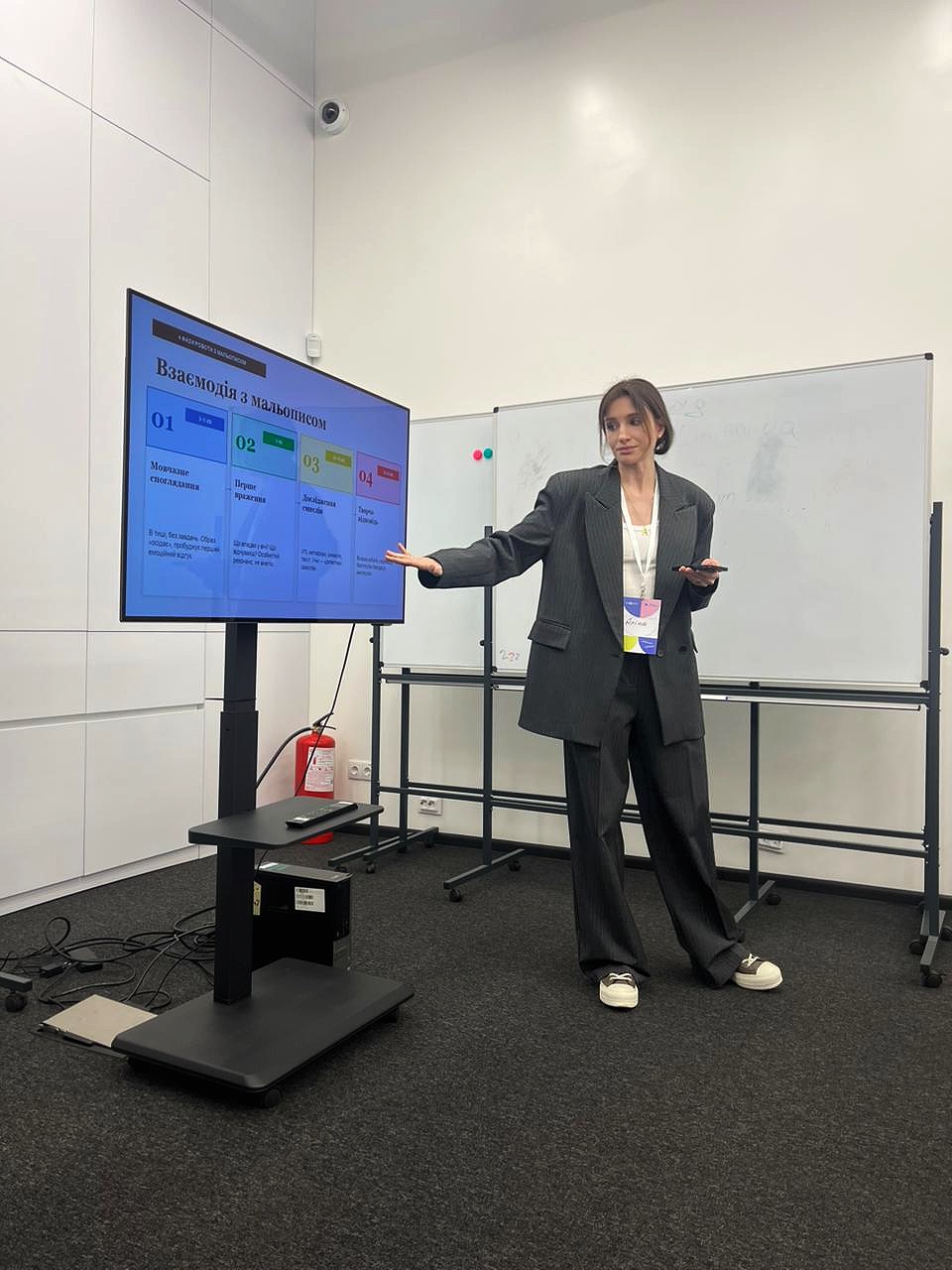
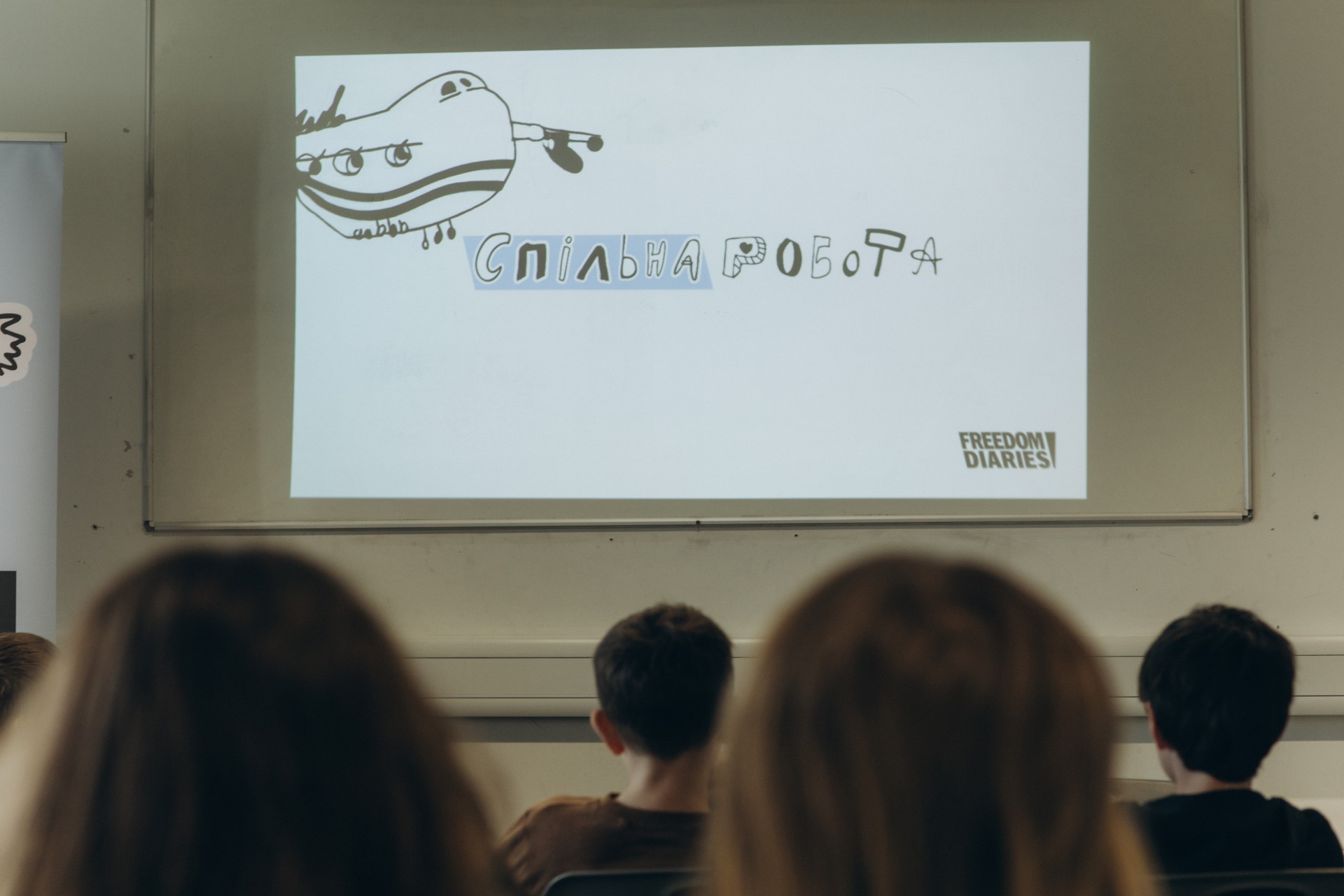
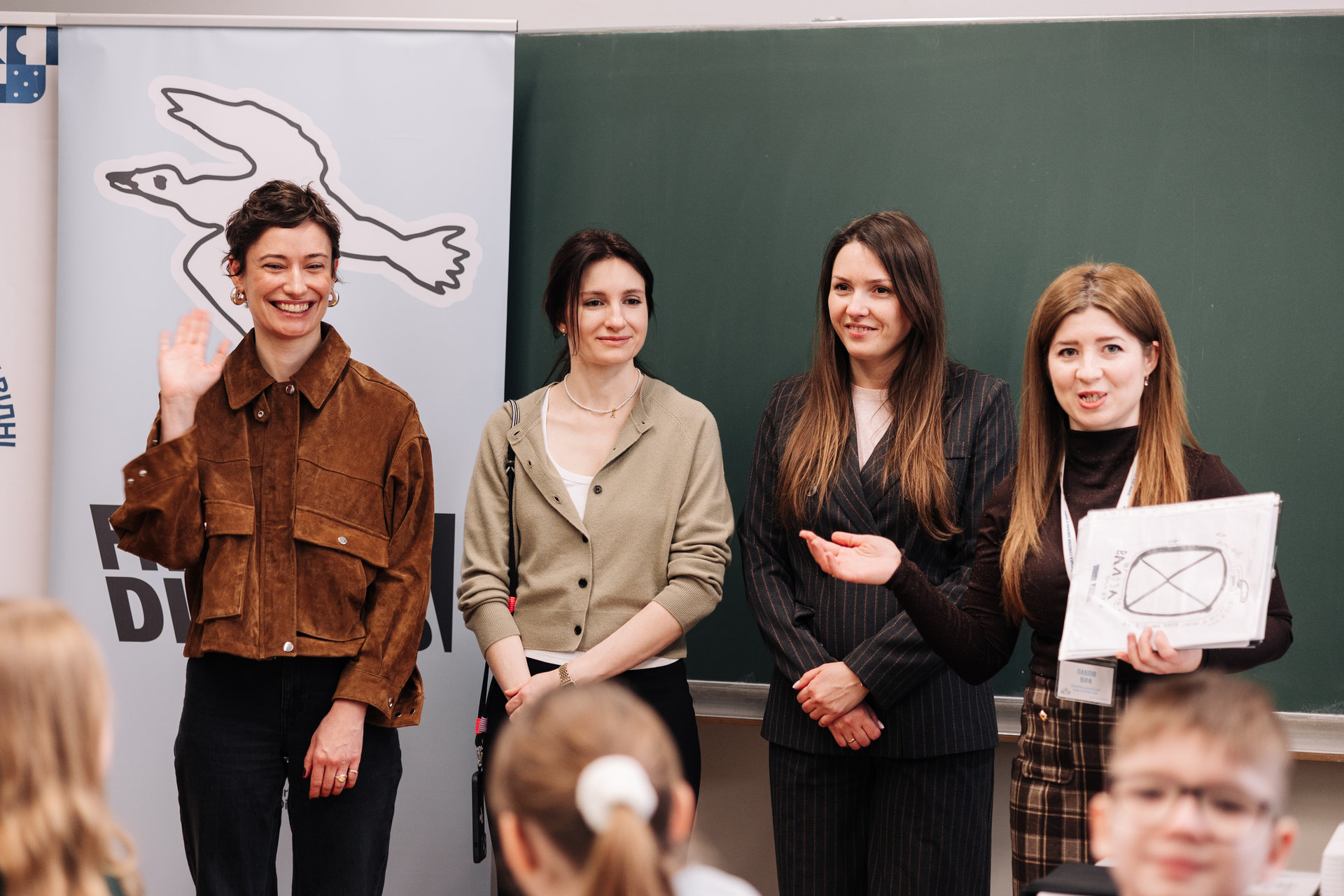
Freedom Diaries creative director Mariia Proshkovska and project producer Alina Kochemasova presented the project methodology, the structure of the lessons, and ways the Freedom Diaries materials can be integrated into the educational process of Ukrainian schools abroad.
A special focus during the meetings was placed on preserving Ukrainian identity for children currently living far from home. Freedom Diaries was created as a modern, free and flexible tool for educators working with themes of memory, emotions, culture and connection to Ukraine through art and shared experience.
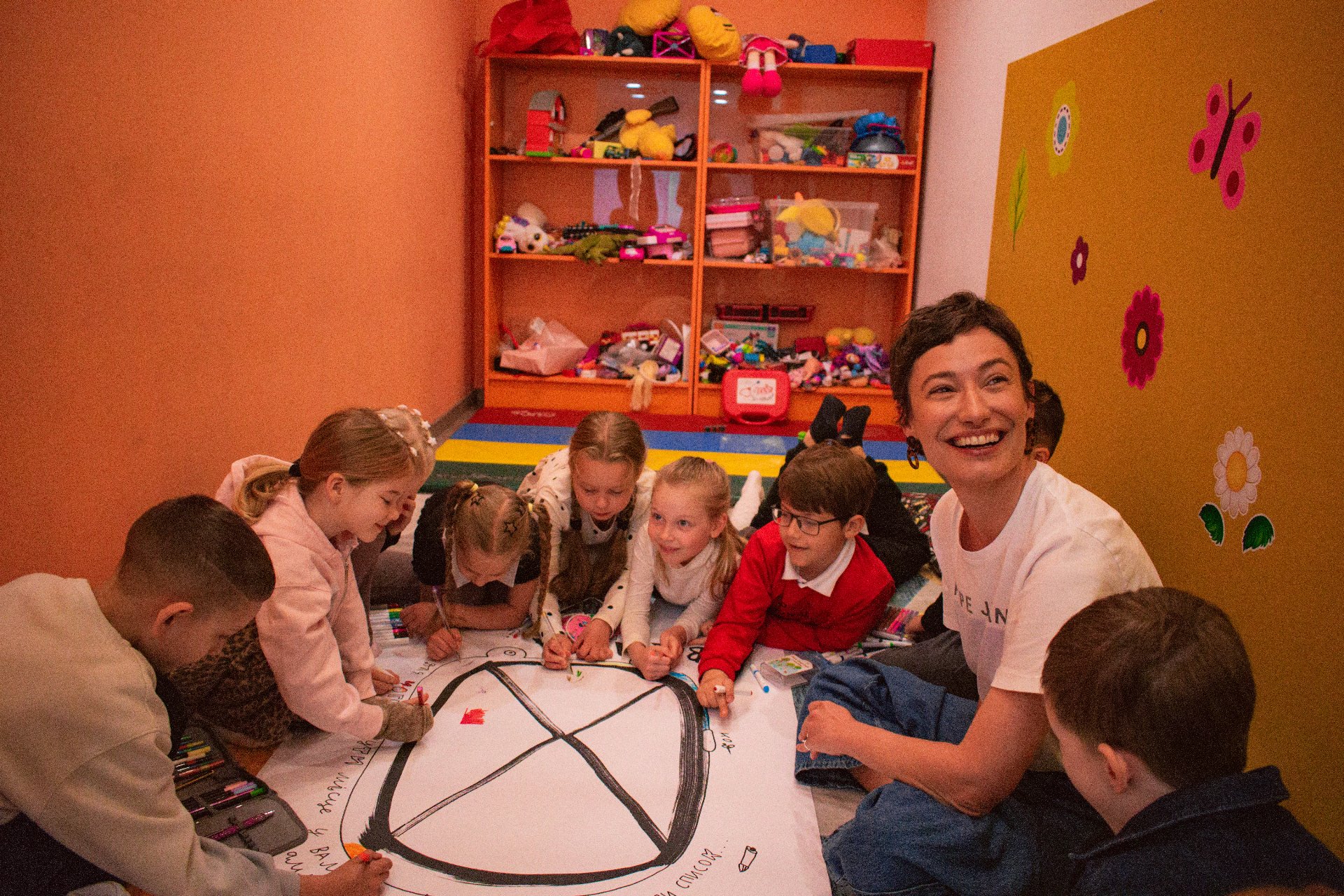
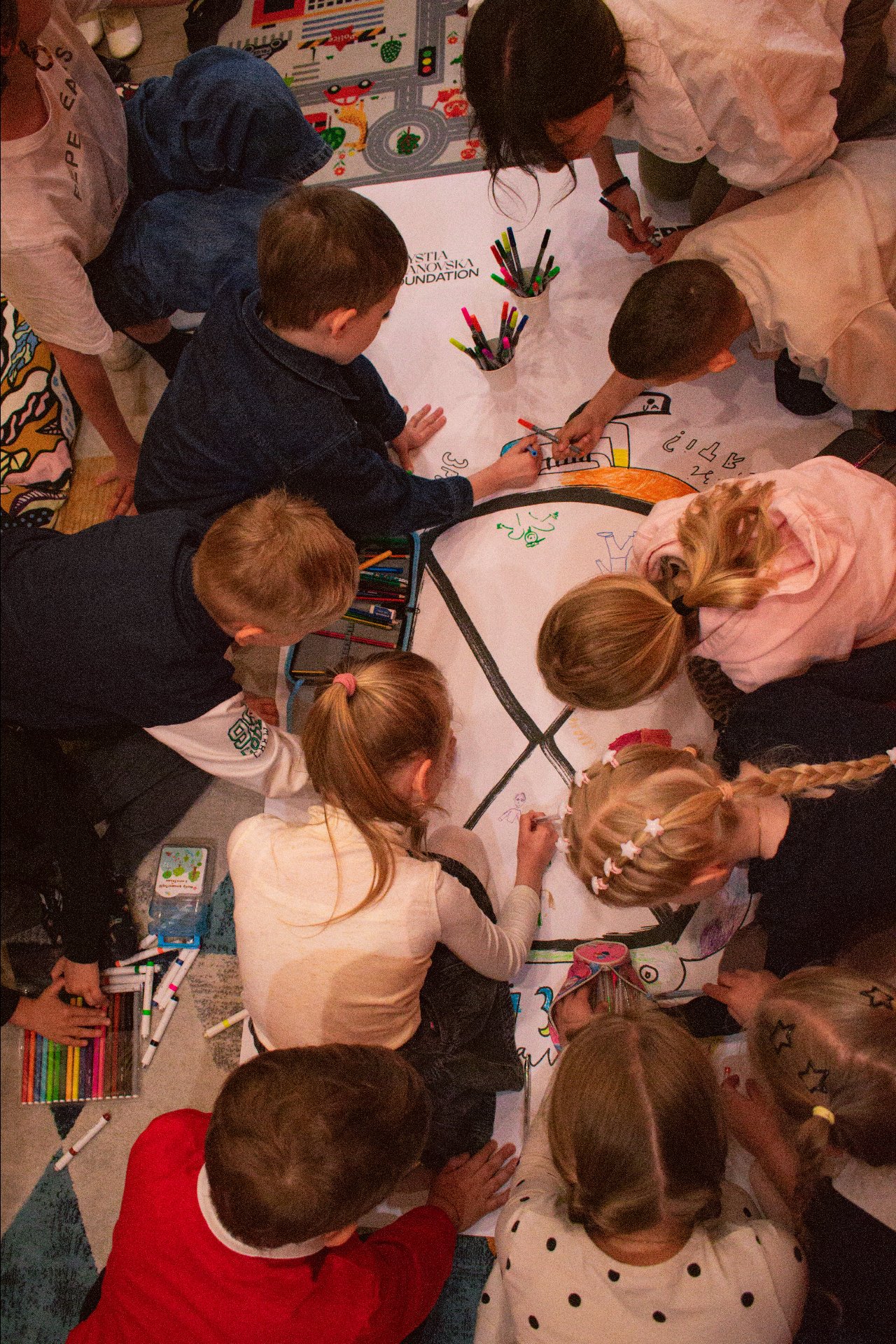
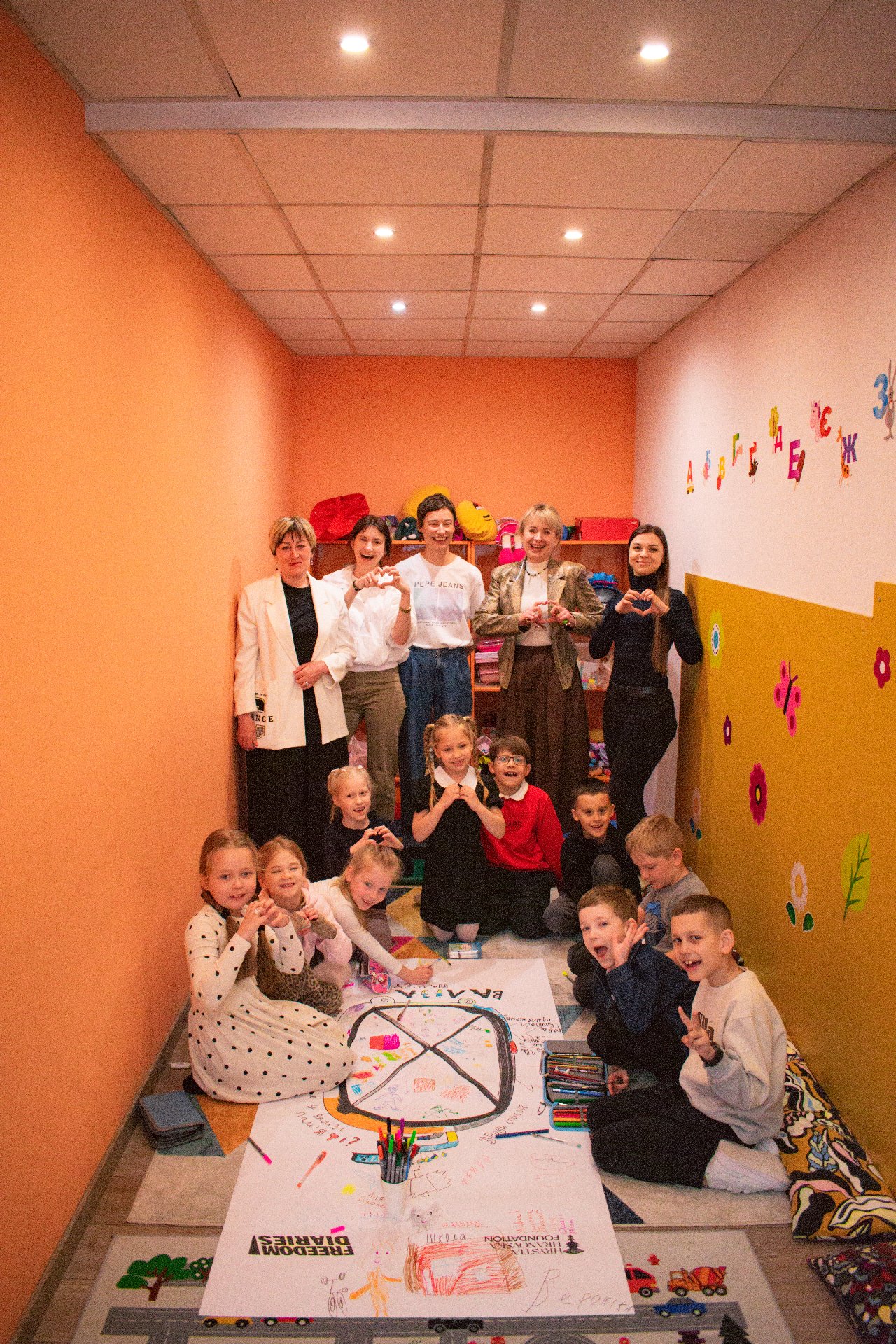
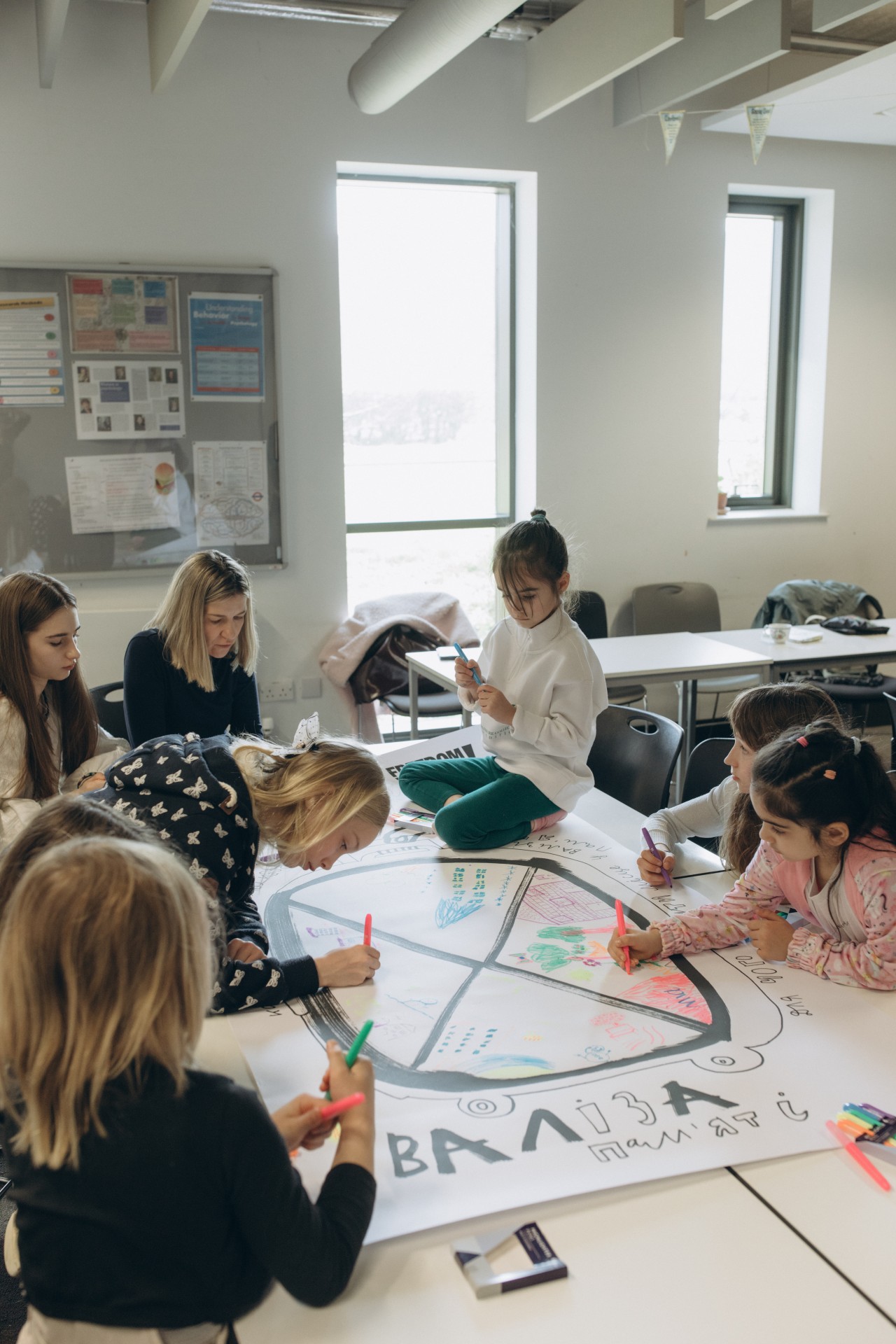
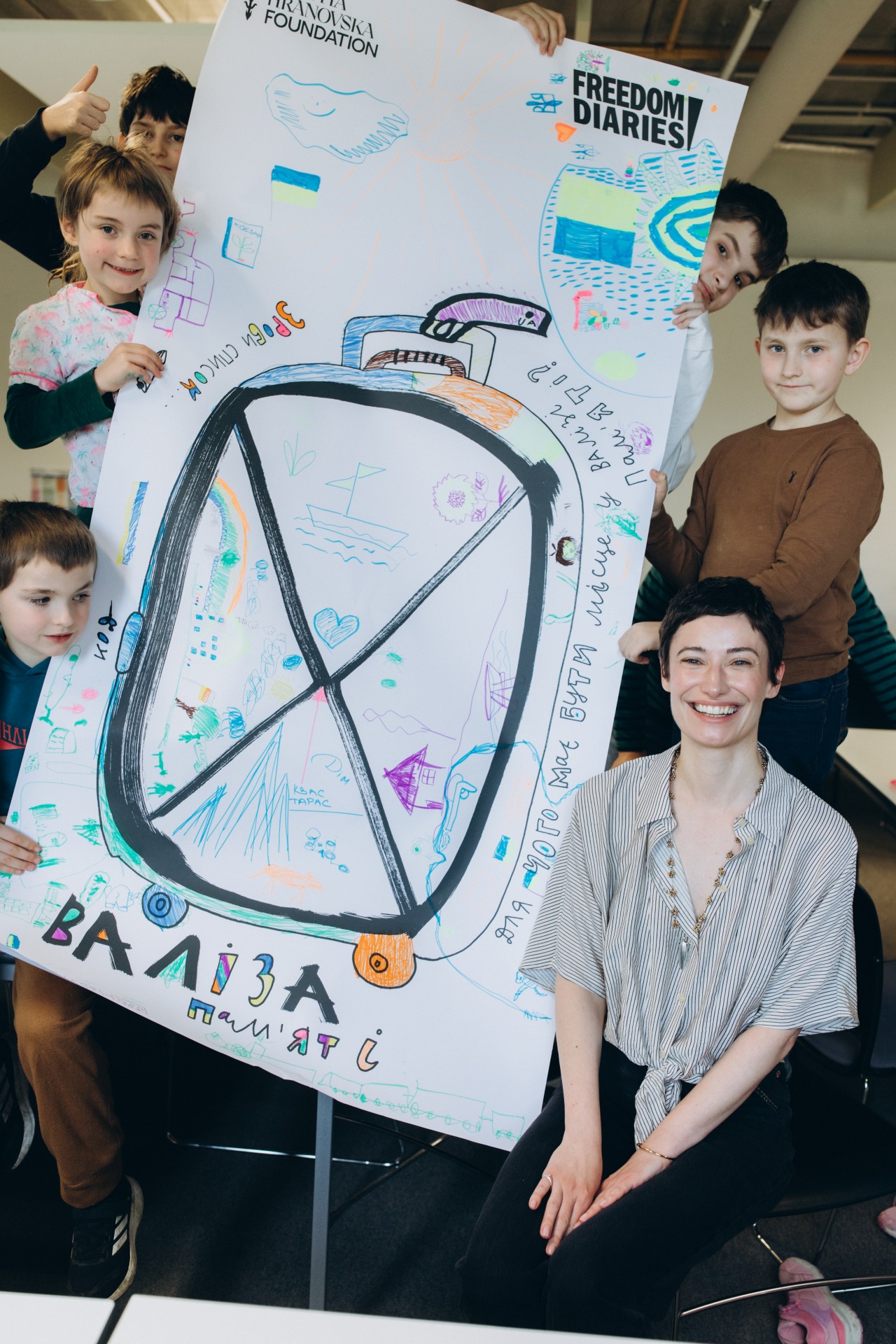
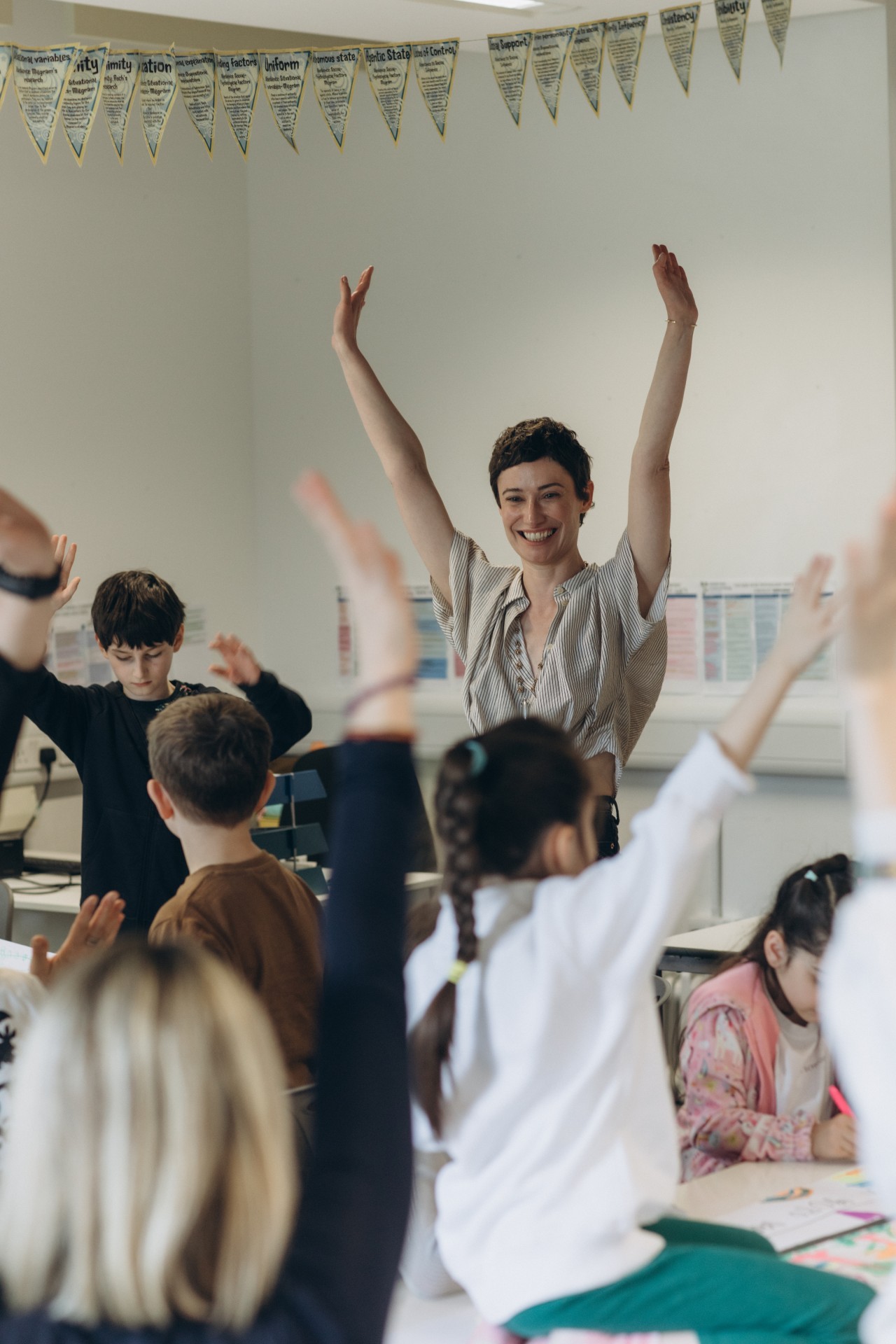
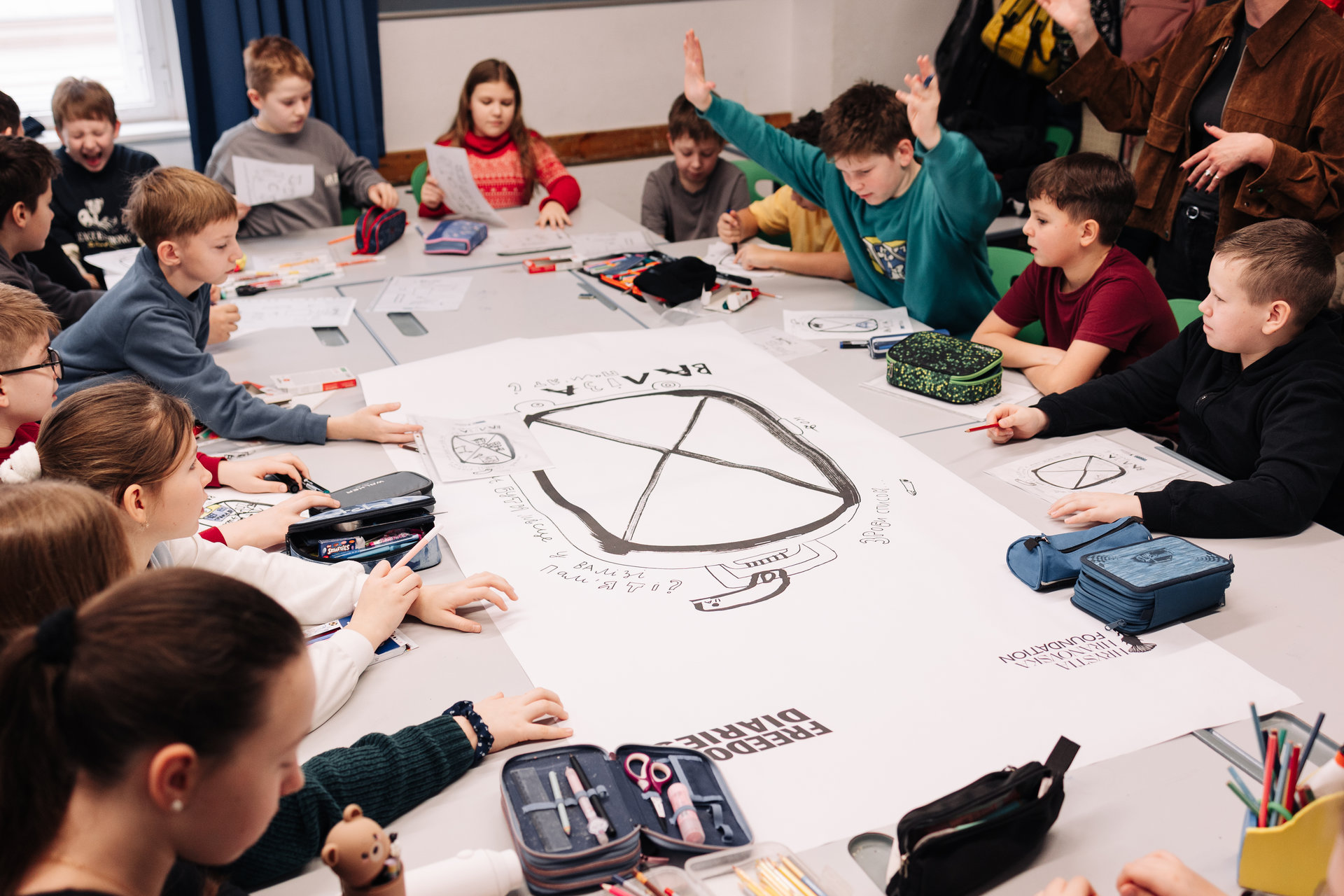
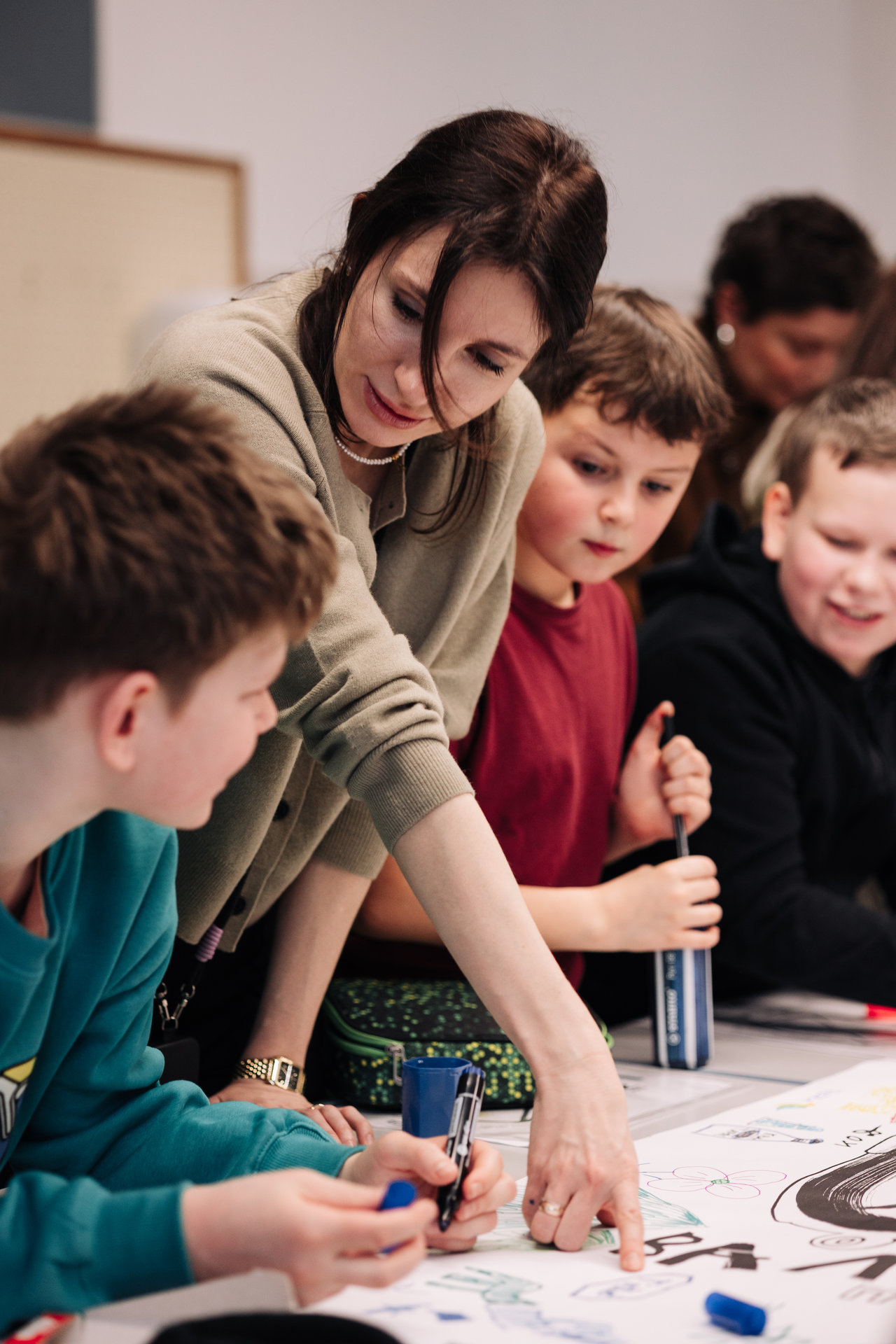
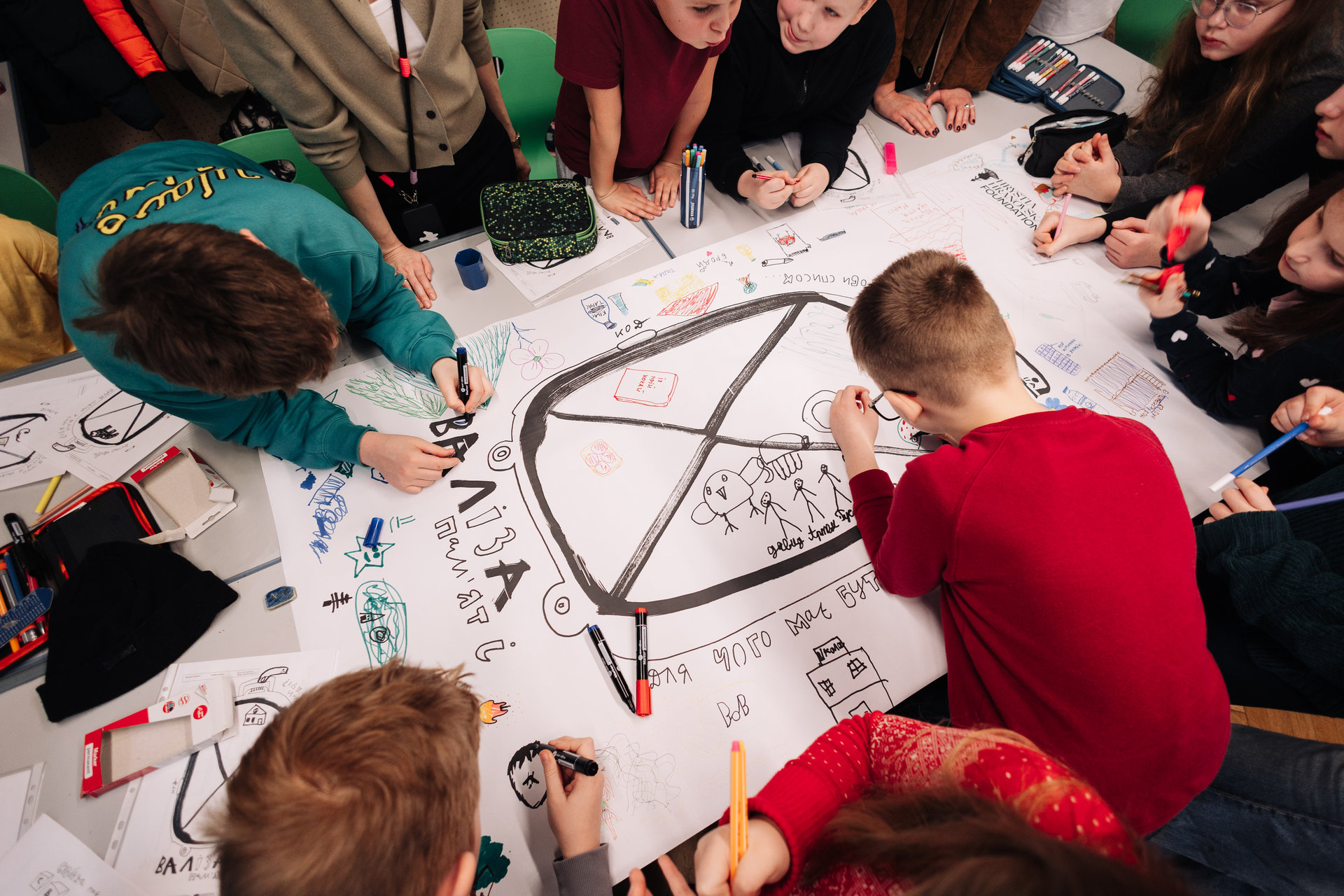
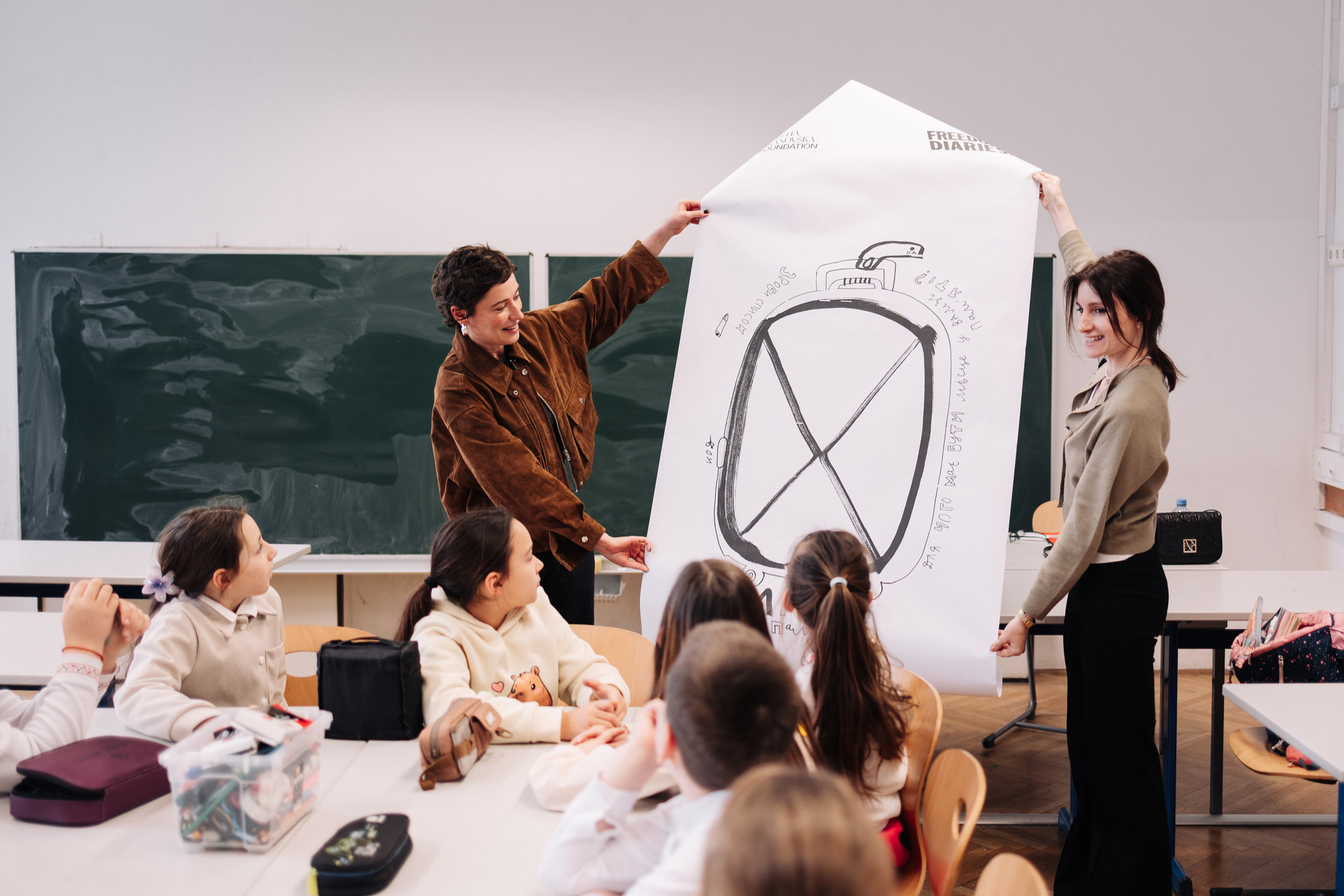
The second day was dedicated to working directly with children. An open lesson for a 1-B class took place at the school, centered around the theme of a “memory suitcase.” During the session, children shared stories about important people, objects and memories they associate with home and Ukraine.
One of the most meaningful outcomes of the meetings was seeing how ready educators already are to start implementing the Freedom Diaries graphic workbooks in their schools and educational spaces.
The team also received words of support from the Ambassador Extraordinary and Plenipotentiary of Ukraine to Bulgaria, Olesia Ilashchuk, who emphasized the importance of educational initiatives like this for strengthening connections between Ukrainian communities abroad and preserving unity among Ukrainians around the world.
The Freedom Diaries team also expressed sincere gratitude to school director Liudmyla Demianova for the warm welcome and for creating a space where Ukrainian children can stay connected to their language and culture, even while living far from home 🕊️
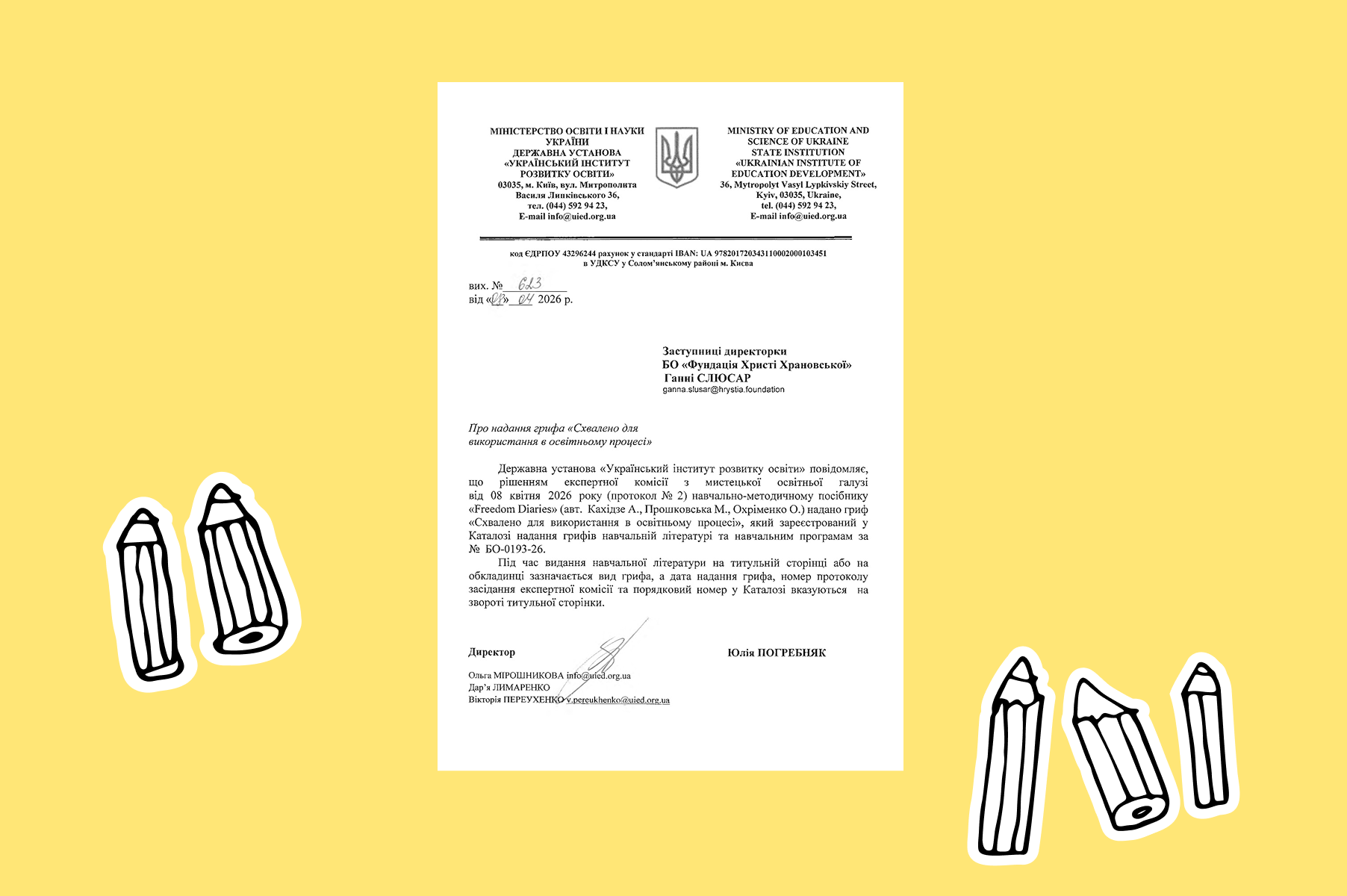
The Freedom Diaries project is reaching an important new milestone on its path toward transforming Ukrainian education. The program has officially received the “Approved for use in the educational process” status from the Ukrainian Institute for Education Development under the Ministry of Education and Science of Ukraine.
What does this mean for teachers and students?
This decision confirms that the project’s materials meet national standards and are pedagogically sound. The 24-session program, based on reflective graphic works by artist Alevtina Kakhidze, is now officially recommended for use in Ukrainian schools.
Freedom Diaries is not just a set of lessons. It is a safe and practical tool that helps teachers talk to children about complex but essential topics through art and dialogue:
- Freedom and personal boundaries
- Memory and historical continuity
- The idea of home and the search for identity
- Staying connected to Ukraine, no matter where a child is
We created this project with one goal in mind — to give Ukrainian children a sense of grounding and support. In times of uncertainty, it becomes especially important not to lose connection with oneself. The fact that this initiative has passed a rigorous expert review shows that art can be both a powerful and a gentle educational tool.
“For us, this recognition from the Ministry is not just a formality or a document. It’s a sign that we are moving in the right direction. We wanted to build a bridge between a child’s emotional experience and the learning process. Now teachers have the official opportunity to use our diaries to help students reflect on their experiences through creativity”, the Freedom Diaries team shares.
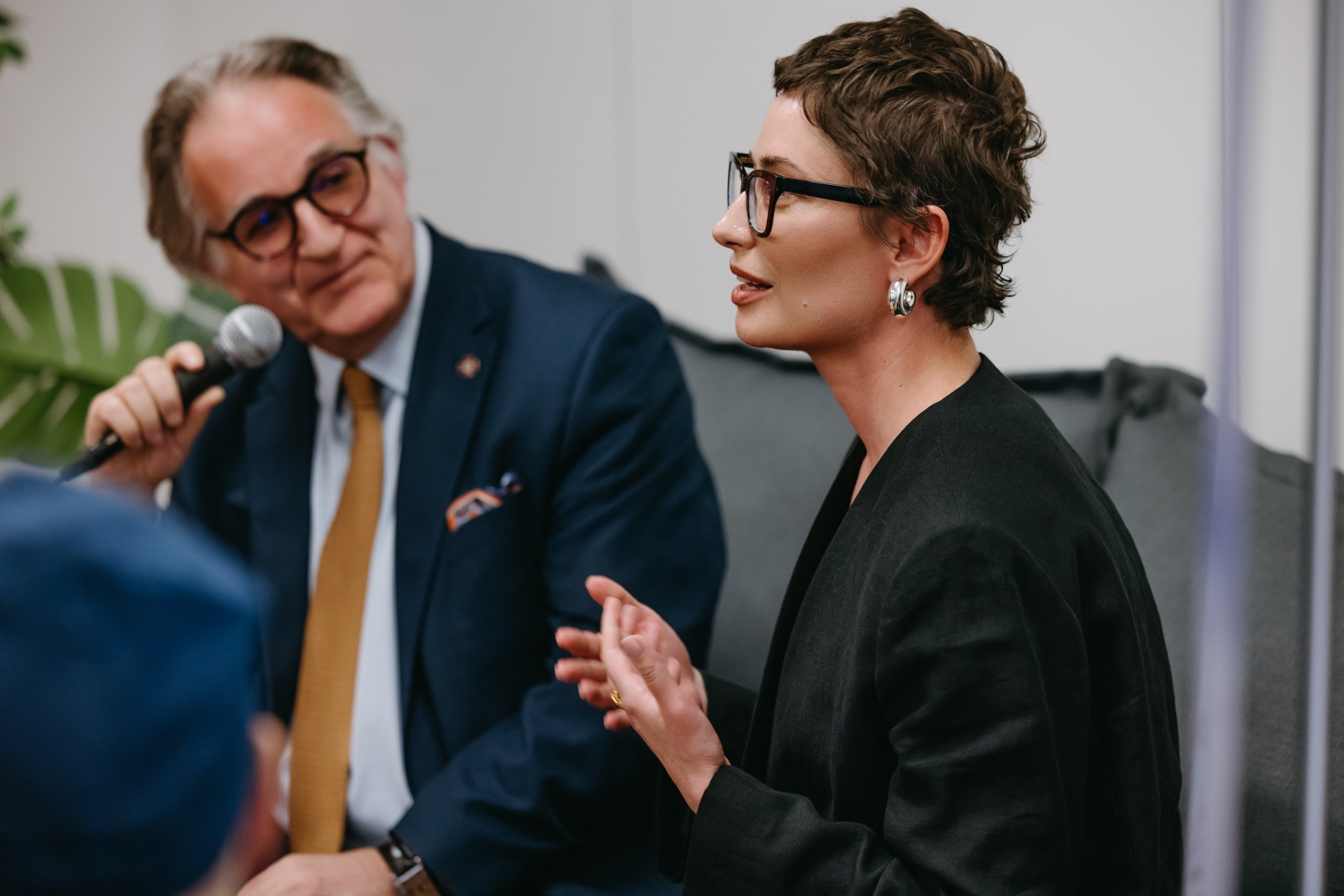
On March 25 in Brussels, at La Fabrique (Alliance Française de Bruxelles-Europe), a public conversation took place with artist and Freedom Diaries’ creative director, Mariia Proshkovska. She presented the art-therapeutic educational project Freedom Diaries as a powerful example of how contemporary art can work with themes of trauma, memory, embodiment, and recovery in times of war.
The discussion also featured Ukrainian artist Liliia Chavaha and French art historian Paul Ardenne. Together, they reflected on the role of art during wartime, the experience of displacement, and questions of resilience.
The event took place as part of an exhibition dedicated to contemporary Ukrainian art, which is running in Brussels from March 24 to July 10, 2026.
Among the organizers and partners of the event were Alliance Française de Bruxelles-Europe, Embassy of Ukraine in Belgium, EUNIC Brussels, Institut Français, and Organisation internationale de la Francophonie.
For Freedom Diaries, being part of this event became another meaningful step in the international dialogue about the role of art in making sense of the experience of war and thoughtfully integrating it into educational practice.
The Freedom Diaries project has become part of the national initiative Education for Life — a comprehensive policy designed to strengthen the New Ukrainian School (NUS) reform and create a more coherent, meaningful learning experience for children.
As part of this collaboration, the project’s creative director, Mariia Proshkovska, together with the team, selected seven Freedom Diaries lessons and adapted them to fit the concept of the arts education field.
From now on, these lessons are integrated into the fourth-quarter art curriculum around the theme of citizenship. Through creative practices, students explore important social and personal themes — freedom, identity, memory, connection, and their own place in society.
This integration into the national curriculum reinforces the core idea behind Freedom Diaries: using art to help children not only process their own experiences, but also grow into an understanding of themselves as part of the Ukrainian civic community.
The educational art-therapeutic project Freedom Diaries and the International Ukrainian School (IUS) have signed a memorandum of cooperation.
The memorandum focuses on building a partnership in the field of education, particularly around introducing and expanding the use of Freedom Diaries materials, created by the Hrystia Hranovska Foundation, in the learning journey of Ukrainian children both in Ukraine and abroad.
As part of this collaboration, the parties plan to integrate the project’s materials into educational environments, support teachers in working with them, and help create safe spaces where children can explore their own experiences, identity, and connection to Ukraine through art.
Signing this memorandum is an important step toward expanding access to modern educational tools and strengthening collaboration between educational initiatives that work with Ukrainian children.
At the Cambridge Ukrainian Language School, Freedom Diaries was presented as part of the school’s spring celebration.
The event brought together the whole school community — teachers, children, and parents — and became a warm space to познакомитися with the project’s approach and see how it can be practically used in working with children.
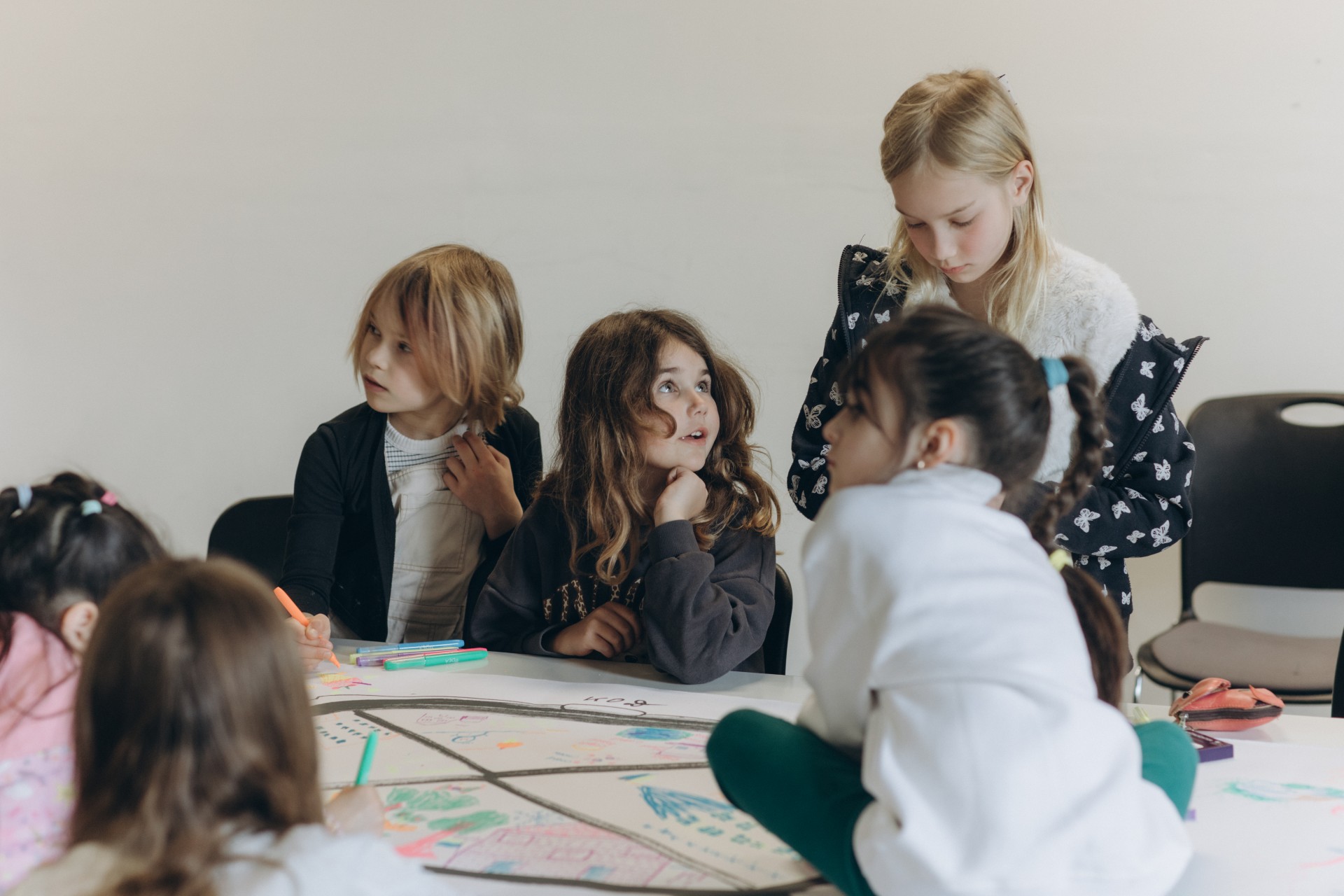
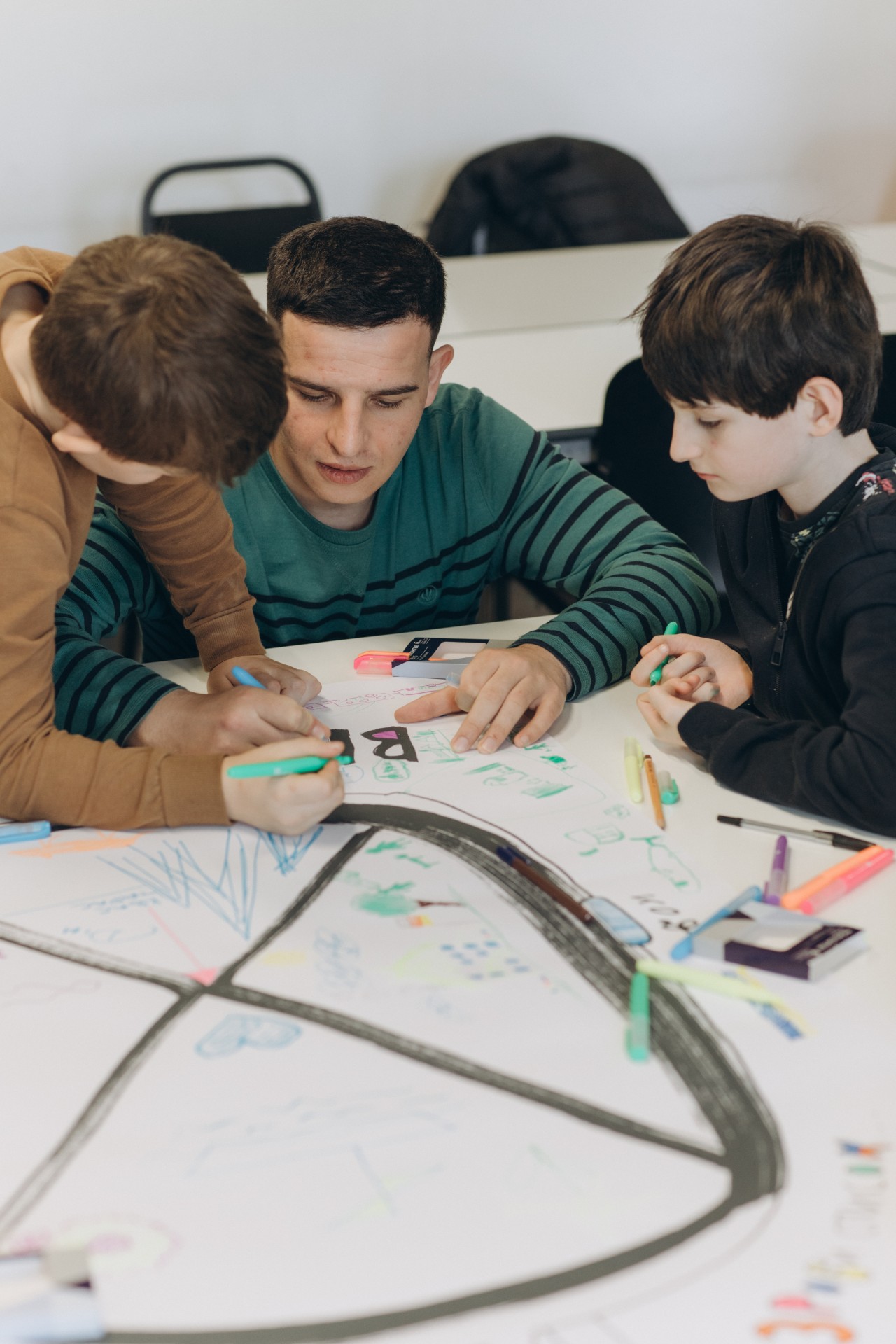
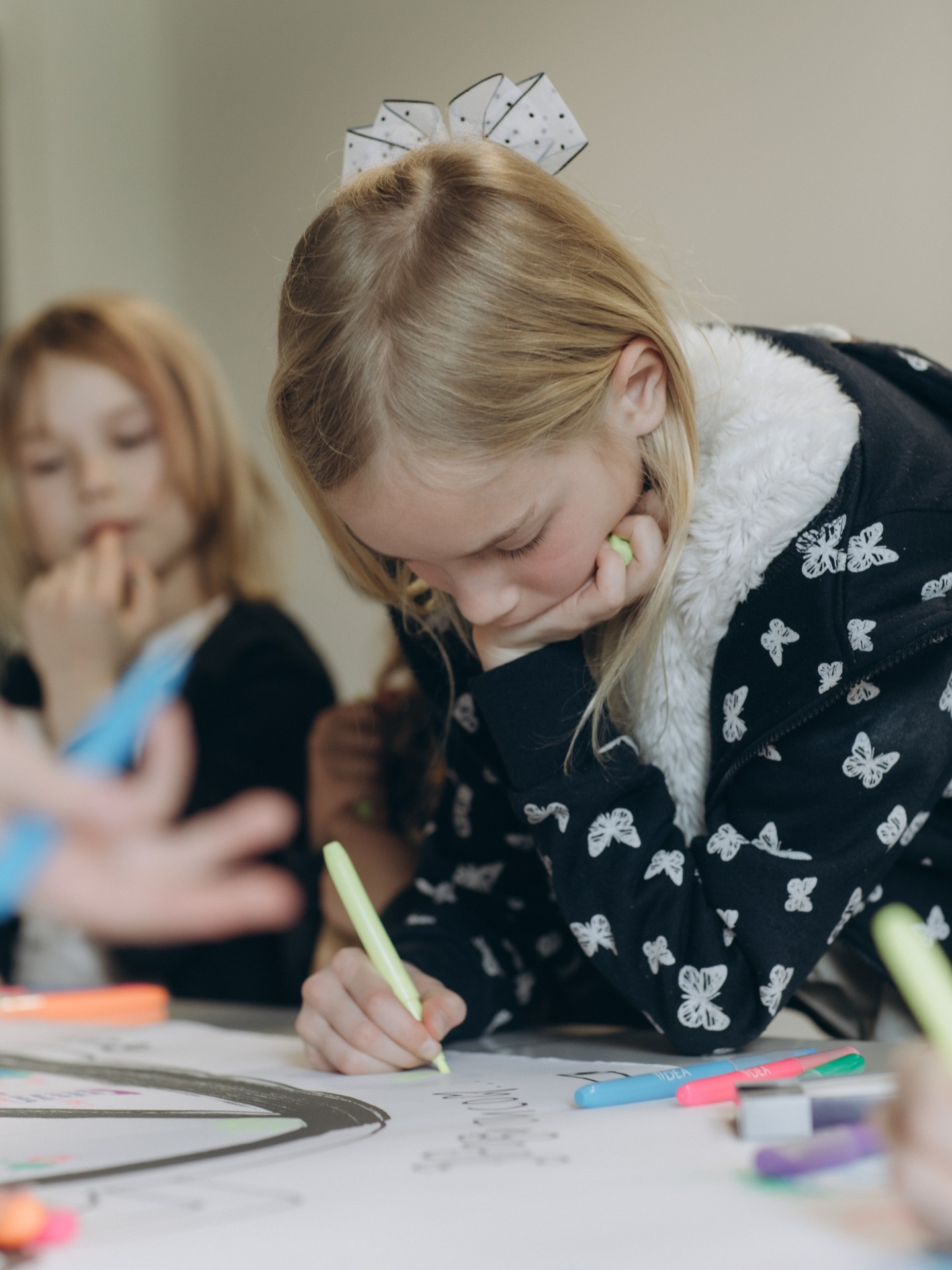
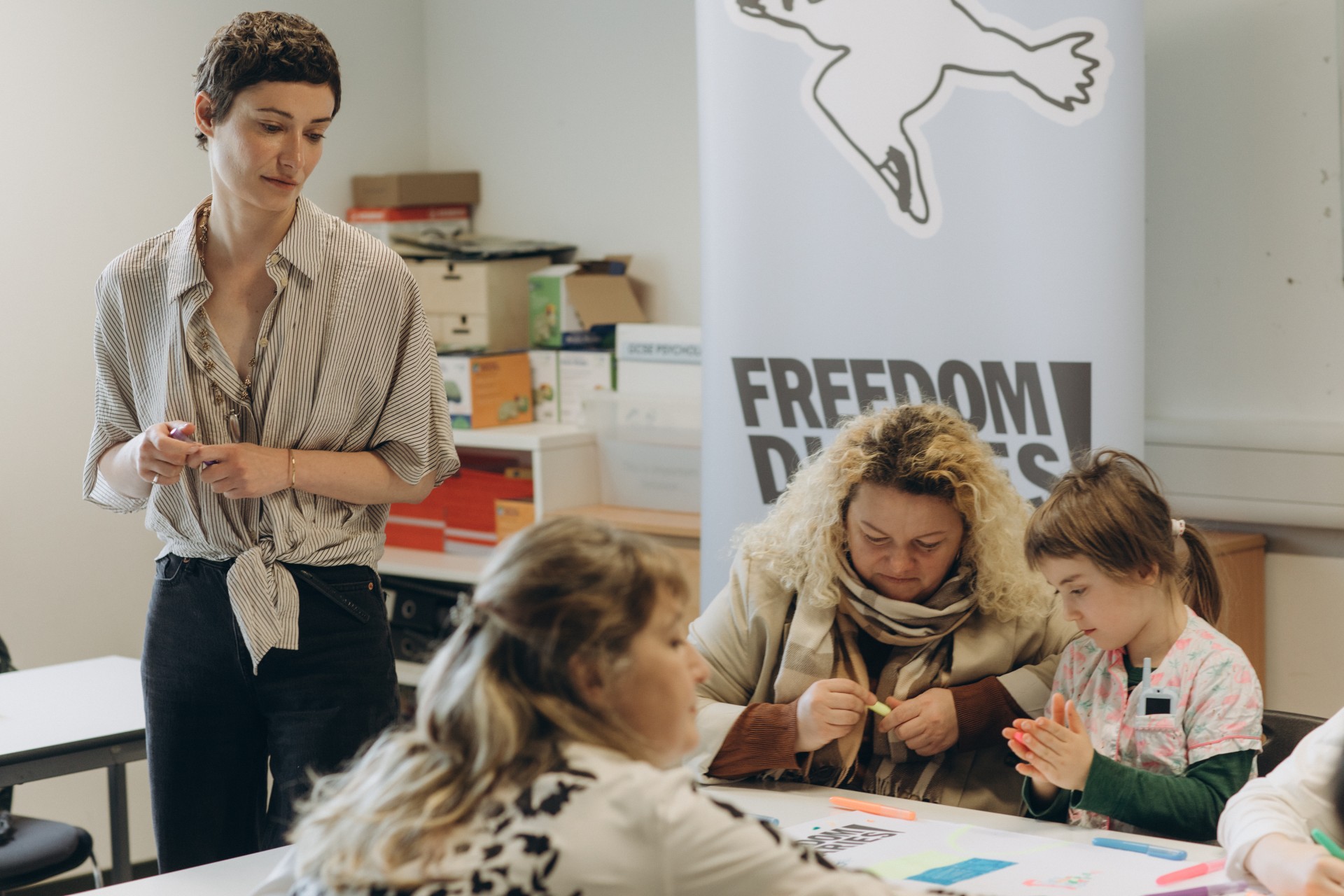
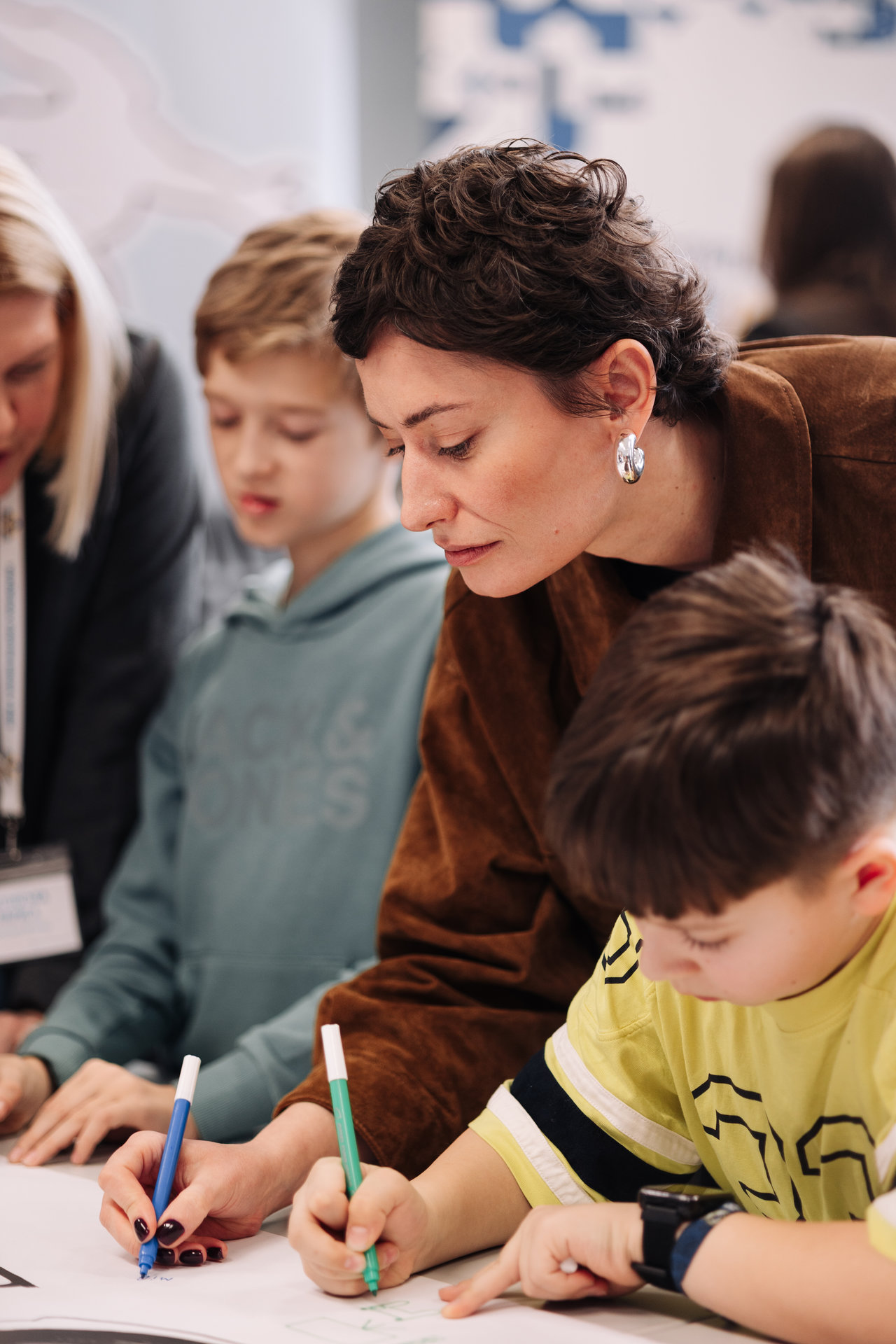
In the second part of the gathering, everyone joined a shared practice: children and adults immersed themselves in a creative process together, working with memories, imagination, and personal experience. Through drawing, dialogue, and interaction, they explored the themes that sit at the heart of the project — freedom, memory, and identity.
This experience once again showed that art can be a truly effective tool for working with children, creating a safe space for self-expression and for making sense of their own experiences.
We are happy to begin this collaboration with the Cambridge Ukrainian Language School and deeply grateful for their openness to bringing the project into the educational process.
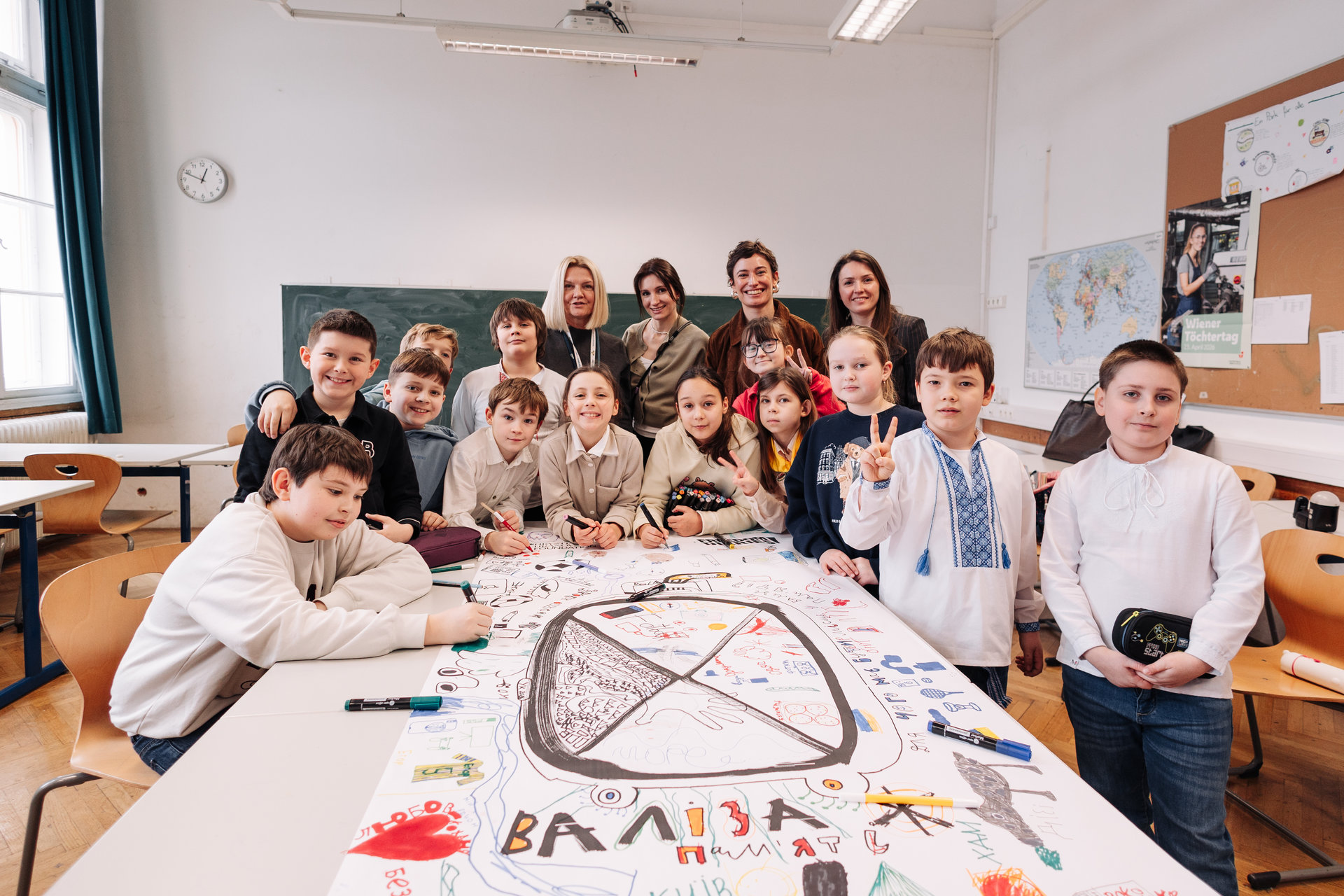
The educational and art-therapy project Freedom Diaries has been integrated into the curriculum of the 4th and 5th grades at the Ukrainian Saturday School in Vienna. The first lessons have already taken place.
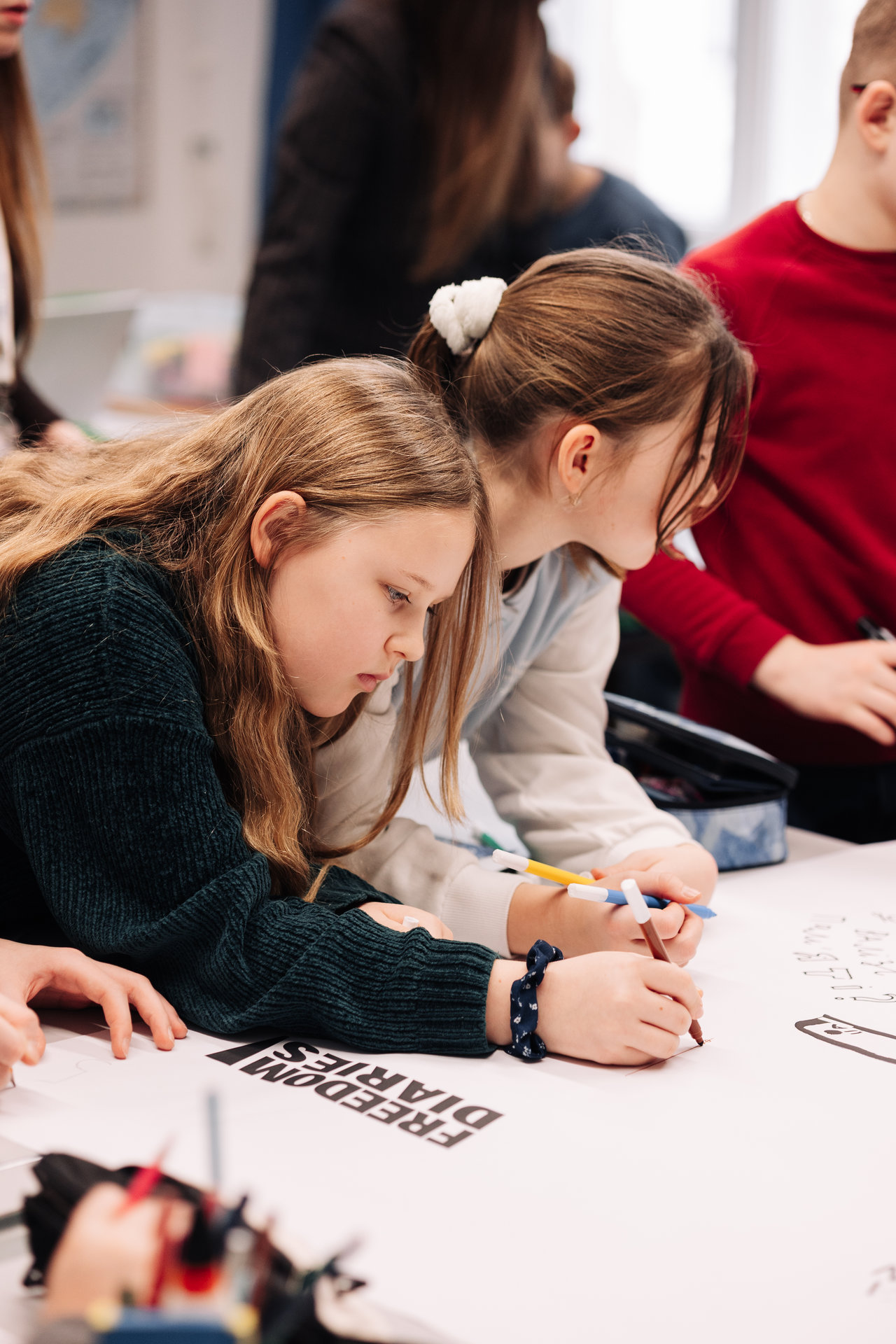
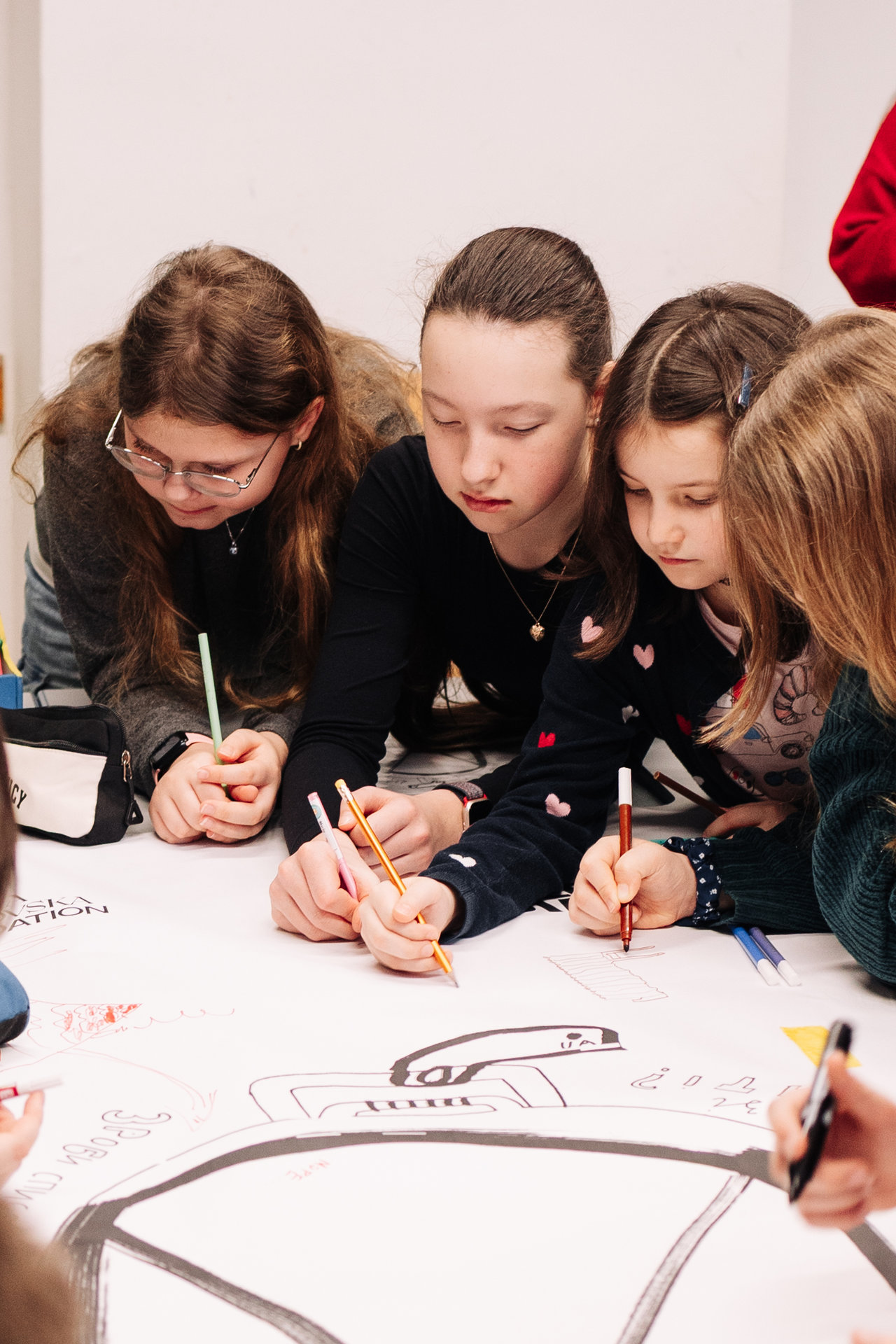
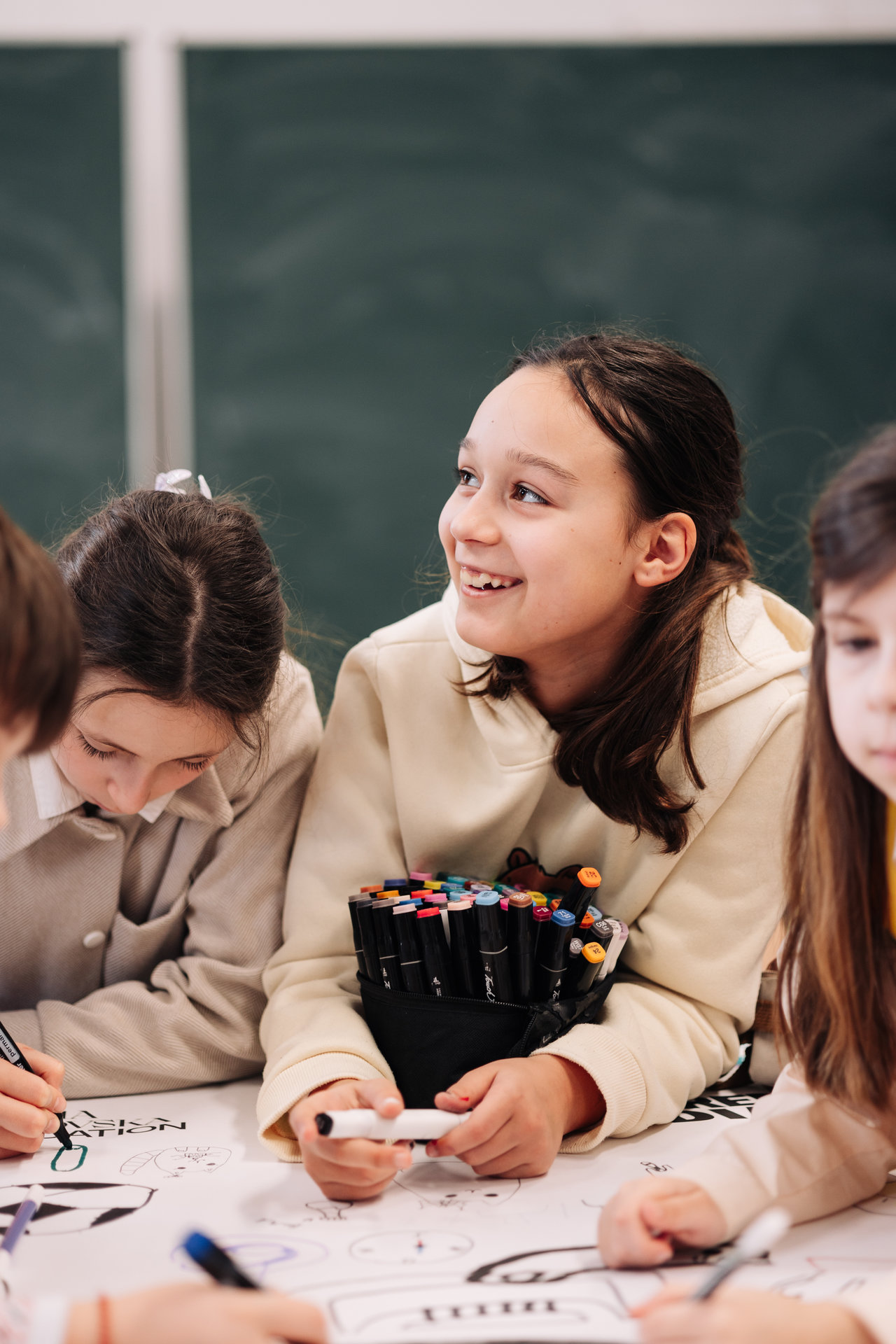
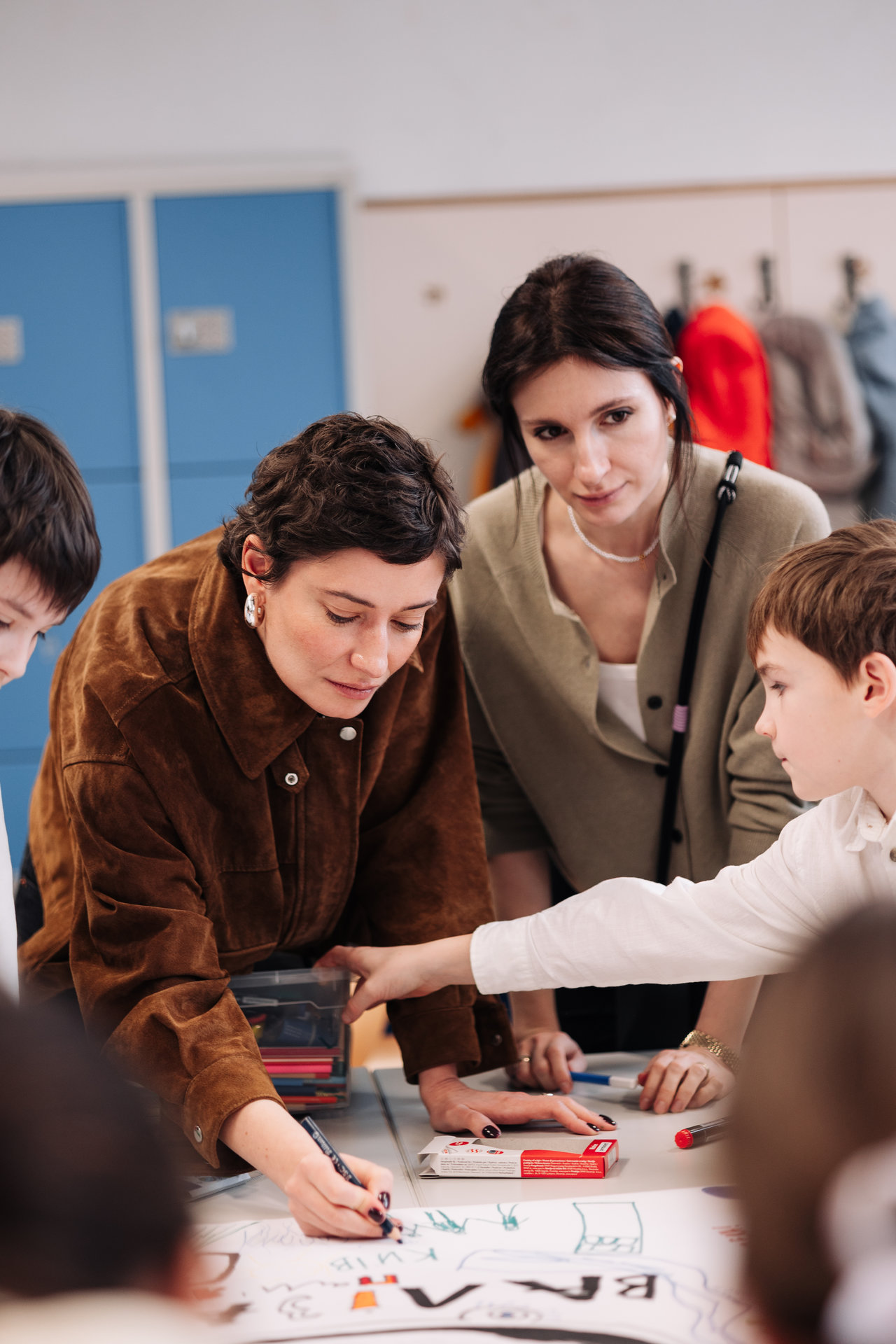
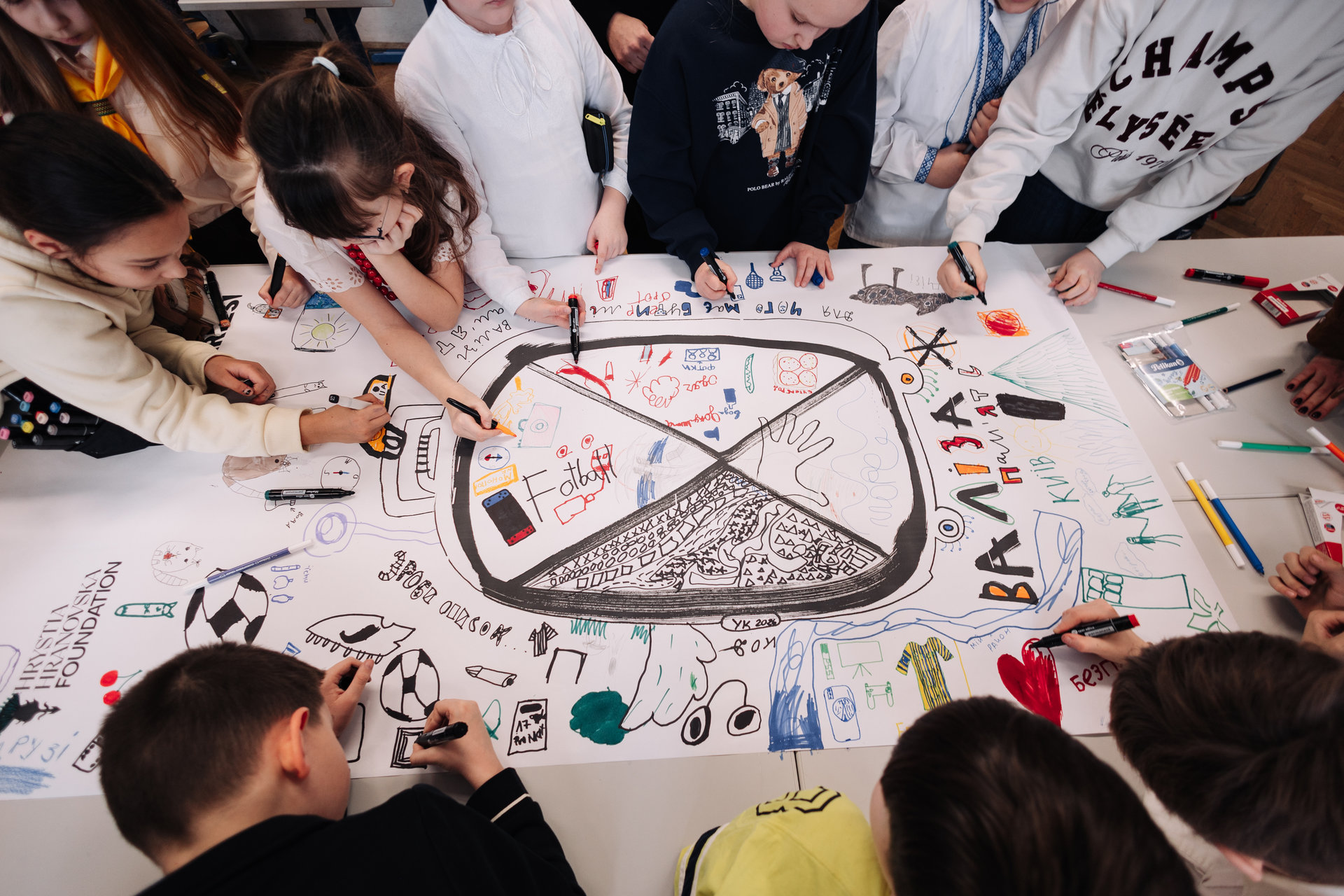
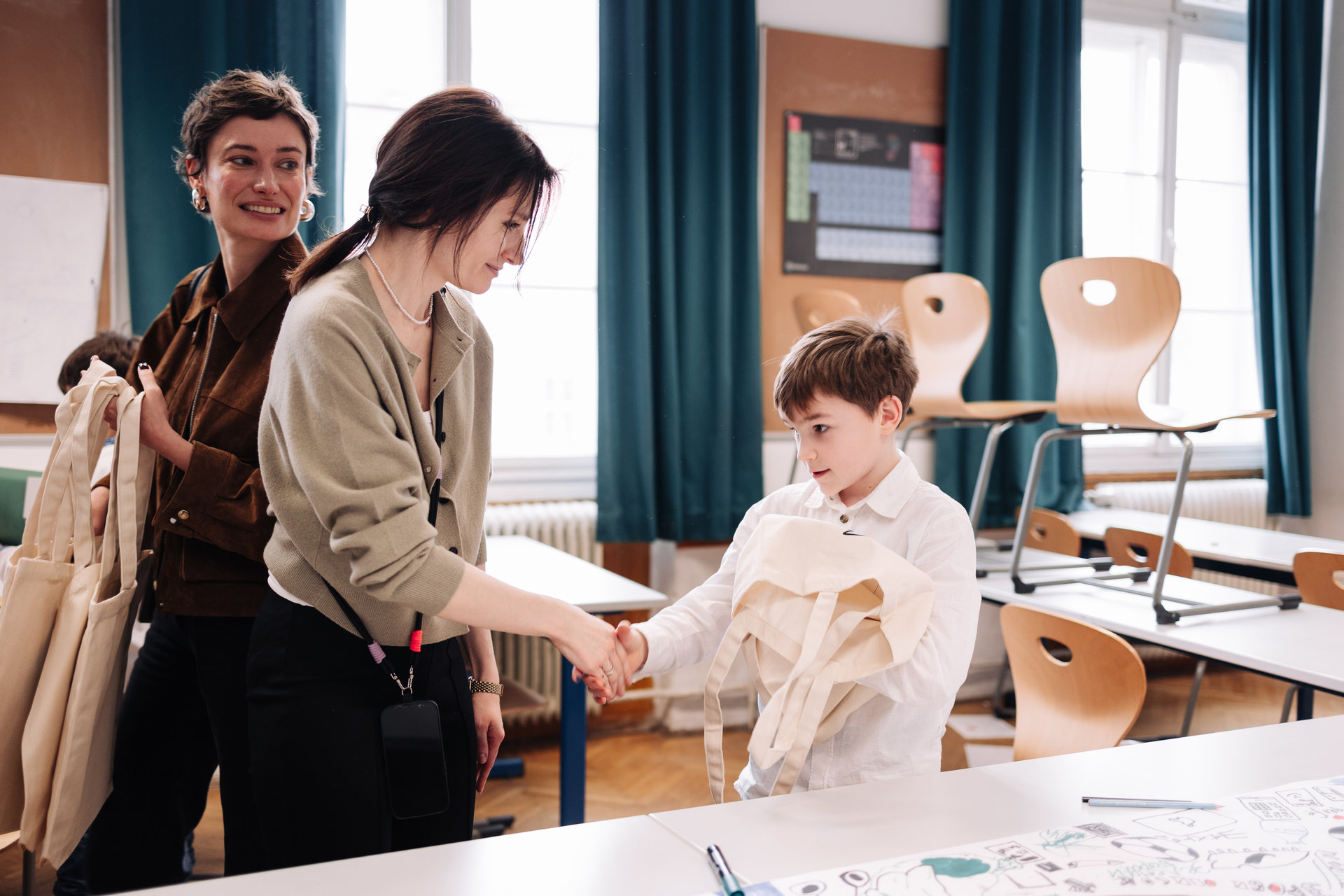
The project team attended the open classes and, together with the teachers, led the sessions for the students. The children worked with the theme “Suitcase of Memory”: on a large shared suitcase, they wrote, drew, glued, and placed everything that feels truly important to them today.
For our team, this is a particularly meaningful step, as it involves the largest Ukrainian school abroad in Europe — a space where hundreds of children every weekend continue to preserve the Ukrainian language, culture, and their connection to home.
We are sincerely grateful to the school’s team for their trust and openness to collaboration. The first feedback confirms that these lessons create an important space for dialogue, creativity, and the strengthening of Ukrainian identity.
Together, we help Ukrainian children grow up with a strong sense of who they are.